
The traditional economic model of take, make, and dispose has dominated global markets for decades. While this linear approach fueled industrial growth, it has also led to excessive waste, resource depletion, and environmental degradation. In response to these challenges, the circular economy has emerged as a sustainable alternative that prioritizes efficiency, longevity, and regeneration. As we move further into 2025, the circular economy is increasingly recognized as a key pathway to sustainable economic growth.
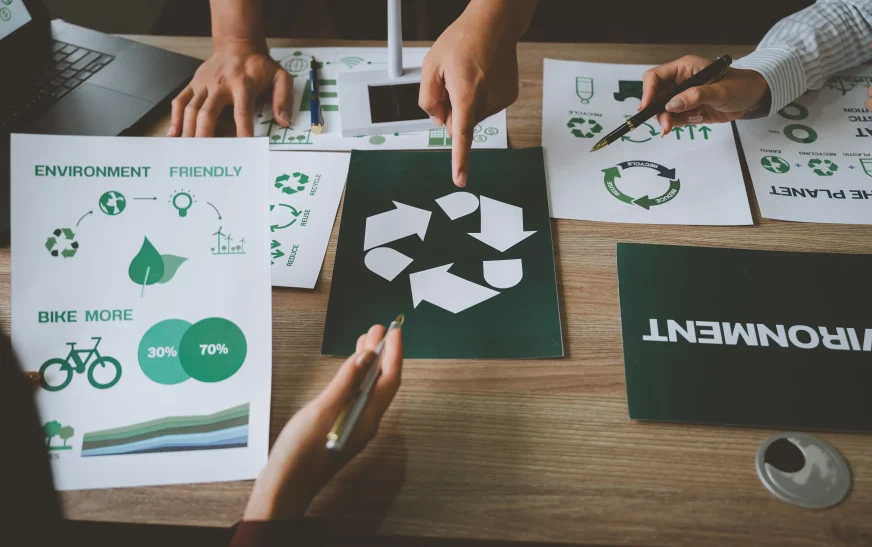
At its core, the circular economy is designed to keep products, materials, and resources in use for as long as possible. Instead of discarding items at the end of their life cycle, the circular model emphasizes reuse, repair, refurbishment, and recycling. Waste is minimized, and natural systems are regenerated rather than exploited. This approach reduces pressure on finite resources while creating new economic opportunities.
One of the fundamental principles of the circular economy is designing out waste from the beginning. Products are created with durability, modularity, and recyclability in mind. This means using materials that can be easily recovered and reused, as well as designing products that can be repaired or upgraded rather than replaced. Thoughtful design plays a critical role in reducing waste and extending product lifespans.
Another important aspect of the circular economy is resource efficiency. By optimizing how materials and energy are used, businesses and governments can reduce costs while lowering environmental impact. Recovered materials often require less energy to process than raw resources, leading to lower emissions and operational savings. This efficiency supports both environmental sustainability and economic resilience.
The circular economy also encourages innovation and new business models. Subscription services, product-as-a-service models, and sharing platforms are becoming more common. Instead of owning products outright, consumers can access what they need while companies retain responsibility for maintenance, upgrades, and end-of-life management. This shift aligns business incentives with sustainability goals.
From a global perspective, the circular economy supports sustainable growth by decoupling economic development from resource consumption. As populations grow and demand increases, circular systems enable economies to expand without proportionally increasing environmental damage. This is especially important for emerging markets seeking growth without repeating the mistakes of resource-intensive industrialization.
Policy and collaboration are essential for advancing the circular economy. Governments are introducing regulations that promote recycling, extended producer responsibility, and sustainable product standards. Collaboration between businesses, policymakers, and consumers creates ecosystems where circular practices can thrive.
Ultimately, the circular economy represents a systemic shift toward a more sustainable and resilient future. By rethinking how resources are used and valued, it offers a practical path to economic growth that benefits businesses, communities, and the planet alike.