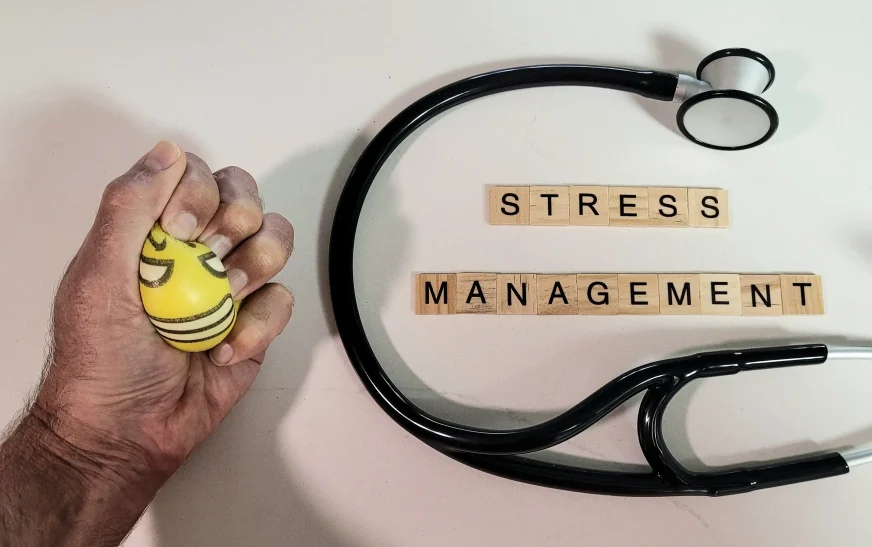

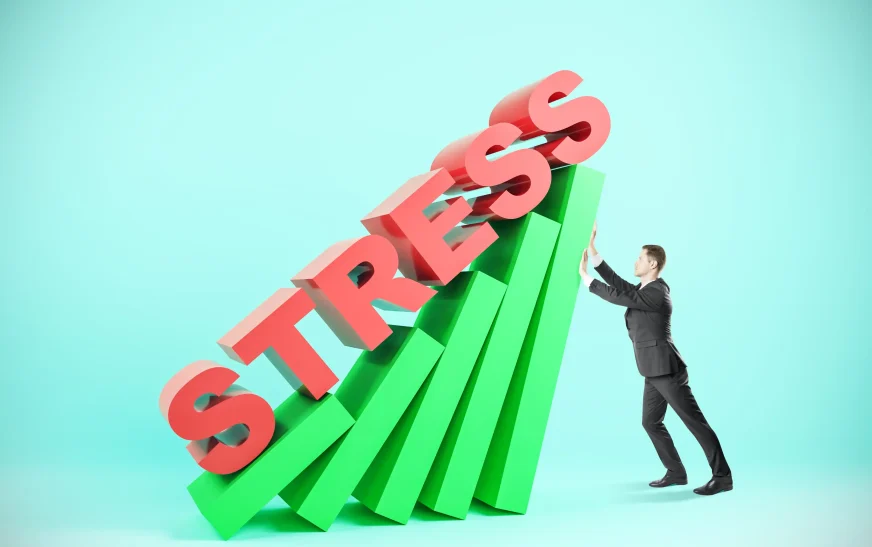
Stress has become a defining challenge of modern life. Constant connectivity, high expectations, and rapid change have increased stress levels across all age groups. While stress is a natural response, chronic stress can negatively impact physical health, mental well-being, and overall quality of life.
Learning to manage stress effectively is essential for thriving in a fast-paced world.
Understand the Nature of Stress:
Stress itself is not always harmful. Short-term stress can motivate action and focus. However, chronic stress—when the body remains in a constant state of alert—leads to fatigue, anxiety, and health issues.
Managing stress involves recognizing triggers and responding intentionally.
Identify Personal Stress Triggers:
Everyone experiences stress differently. Identifying your specific stressors—such as workload, digital overload, or interpersonal challenges—allows targeted management strategies.
Awareness is the foundation of control.
Practice Mindfulness and Presence:
Mindfulness helps reduce stress by anchoring attention in the present moment. Simple practices like deep breathing, meditation, or mindful walking calm the nervous system.
Mindfulness improves emotional regulation and resilience.
Set Clear Boundaries:
Boundary-setting is one of the most effective stress management tools. Establish limits around work hours, availability, and commitments.
Clear boundaries protect mental energy and prevent burnout.
Move Your Body Regularly:
Physical activity is a natural stress reliever. Movement reduces stress hormones and increases mood-enhancing chemicals in the brain.
Even brief movement breaks can significantly reduce tension.
Prioritize Rest and Recovery:
Rest is essential for stress management. Adequate sleep, breaks, and downtime allow the body and mind to recover from daily demands.
Chronic exhaustion amplifies stress responses.
Manage Digital Overload:
Constant notifications and screen time increase cognitive load. Schedule digital breaks and limit unnecessary alerts.
Creating tech-free moments restores focus and calm.
Strengthen Social Connections:
Social support buffers stress. Meaningful conversations and shared experiences reduce feelings of isolation and overwhelm.
Connection fosters emotional resilience.
Reframe Stressful Situations:
Cognitive reframing involves changing how you interpret stressors. Viewing challenges as manageable or temporary reduces emotional intensity.
Perspective shifts can lower stress without changing circumstances.
Develop Relaxation Rituals:
Consistent relaxation practices—such as reading, stretching, or journaling—signal the body to relax.
Rituals create predictability and comfort amid chaos.
Know When to Seek Support:
Professional support can be invaluable when stress becomes overwhelming. Seeking help is a proactive step, not a weakness.
Stress Management Is a Skill:
Stress management improves with practice. Regular reflection and adjustment ensure strategies remain effective.
In a fast-paced world, managing stress is not about eliminating pressure—it’s about building resilience. With intentional strategies, stress becomes manageable, and well-being becomes sustainable.