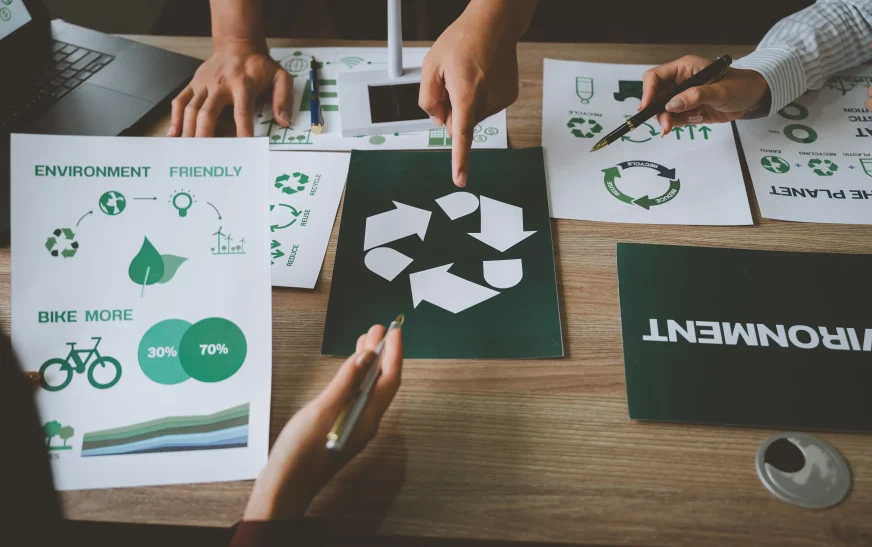

As environmental awareness continues to grow, eco-friendly products are becoming an integral part of everyday life. In 2025, consumers have more sustainable options than ever before, making it easier to reduce environmental impact without sacrificing quality or convenience. Choosing eco-friendly products supports healthier lifestyles, reduces waste, and encourages responsible manufacturing practices.

Reusable household items are among the most impactful eco-friendly products available today. Reusable water bottles, coffee cups, shopping bags, and food containers significantly reduce single-use plastic waste. Made from durable materials like stainless steel, glass, or silicone, these products are designed for long-term use and everyday convenience.

Energy-efficient appliances are another essential category of eco-friendly products. Modern refrigerators, washing machines, air conditioners, and lighting systems consume significantly less energy than older models. Smart appliances with energy monitoring features help households optimize usage, lower utility bills, and reduce carbon emissions over time.

Eco-friendly cleaning products are gaining popularity as safer alternatives to traditional chemical cleaners. Made from plant-based ingredients and biodegradable formulas, these products are less harmful to both human health and the environment. Refillable packaging options further reduce plastic waste and support circular consumption habits.

Sustainable personal care products are also transforming daily routines. Bamboo toothbrushes, refillable deodorants, solid shampoos, and organic skincare products minimize packaging waste and reduce exposure to harmful chemicals. Many brands now prioritize cruelty-free testing and ethically sourced ingredients.

In fashion, eco-friendly clothing is becoming more accessible and stylish. Sustainable fabrics such as organic cotton, recycled polyester, and bamboo are replacing resource-intensive materials. Slow fashion brands focus on durability, ethical labor practices, and timeless designs, encouraging consumers to buy less but choose better.

Home and lifestyle products are also evolving toward sustainability. Furniture made from reclaimed wood, biodegradable kitchenware, and compostable waste bags help reduce environmental impact at home. Smart home devices that optimize energy and water usage further enhance sustainable living.

Finally, eco-friendly tech products are gaining traction. Solar-powered chargers, energy-efficient electronics, and devices made with recycled materials demonstrate how technology can align with sustainability goals.

By choosing eco-friendly products in 2025, consumers play an active role in reducing waste, conserving resources, and supporting sustainable innovation. Small changes in purchasing decisions collectively contribute to a cleaner, healthier, and more sustainable future.

Leave a Reply

Your email address will not be published. Required fields are marked *

Related Posts