

Bringing a product from concept to market is a structured yet dynamic process. The product development lifecycle provides a framework that helps businesses manage complexity, reduce risk, and deliver solutions that meet customer needs. Understanding each stage ensures more efficient development and successful market entry.
1. Ideation and Concept Development:
The lifecycle begins with ideation—generating ideas that address real customer problems. Ideas may come from customer feedback, market research, internal brainstorming, or competitive analysis.
Once an idea is identified, it is refined into a clear concept that defines the target audience, value proposition, and unique differentiation.
2. Market Research and Feasibility Analysis:
Before development begins, teams must validate the concept’s viability. Market research assesses demand, competitive landscape, pricing expectations, and potential challenges.
Feasibility analysis evaluates technical requirements, resource availability, and financial considerations. This step prevents costly investments in unviable ideas.
3. Product Design and Planning:
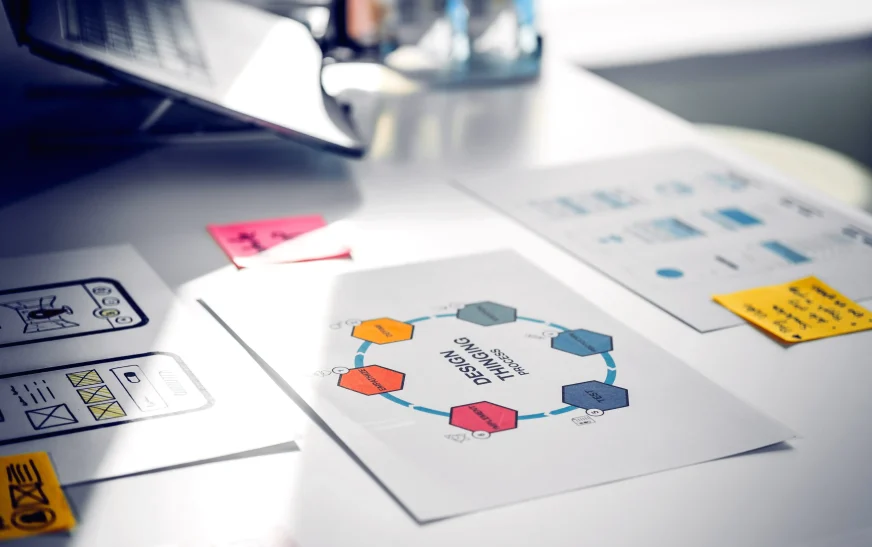
In this stage, the product takes shape. Teams define features, user experience, technical architecture, and development timelines. Design prototypes and wireframes help visualize functionality and gather early feedback.
Clear planning ensures alignment across engineering, marketing, and operations teams.
4. Development and Testing:
Development involves building the product according to specifications. Agile methodologies are commonly used to enable iterative progress and flexibility.
Testing is integrated throughout development to identify defects, ensure functionality, and validate performance. Continuous testing reduces risk and improves quality.
5. Launch Preparation:
As development nears completion, teams prepare for launch. This includes final testing, documentation, pricing strategies, marketing campaigns, and customer support readiness.
Successful launches are coordinated efforts across multiple departments.
6. Market Launch and Post-Launch Evaluation:
After launch, performance is closely monitored through customer feedback, usage metrics, and sales data. Post-launch evaluation identifies improvement opportunities and informs future updates.
The lifecycle does not end at launch—ongoing optimization ensures long-term success.
A well-managed product development lifecycle aligns innovation with customer needs, reduces uncertainty, and increases the likelihood of market success.