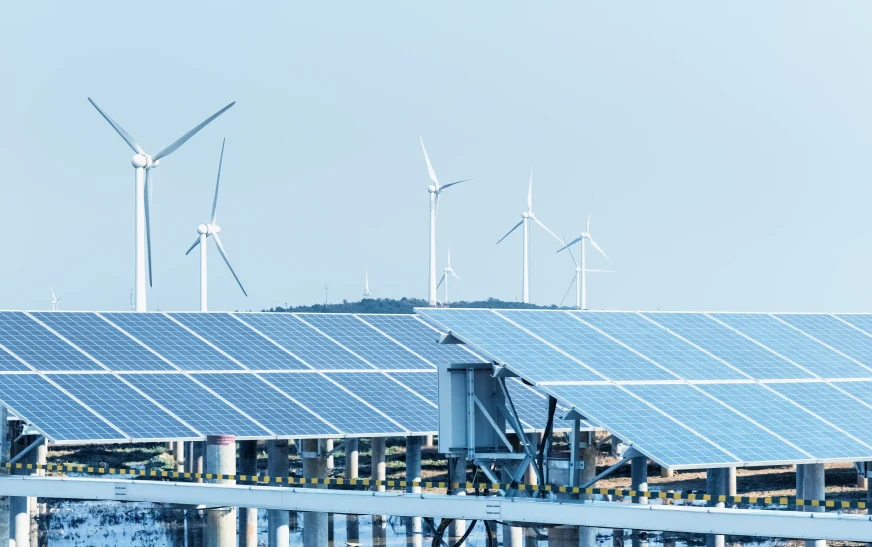

The global energy sector is undergoing a rapid transformation, and renewable energy is at the center of this shift. As we move into 2025, advancements in technology, policy support, and growing environmental awareness are accelerating the adoption of clean energy solutions. Renewable energy is no longer a niche alternative; it is becoming the backbone of future energy systems worldwide.
One of the most significant trends shaping renewable energy in 2025 is the continued decline in costs. Solar and wind power have become the most affordable sources of new electricity generation in many regions. Improvements in manufacturing processes, economies of scale, and more efficient materials have reduced the cost per kilowatt-hour dramatically. This cost competitiveness is driving both developed and emerging economies to invest heavily in renewables.
Energy storage is another major innovation transforming the renewable sector. The intermittent nature of solar and wind power has long been a challenge, but advancements in battery technology are addressing this issue. Lithium-ion batteries are becoming more efficient and affordable, while next-generation solutions such as solid-state batteries, flow batteries, and hydrogen storage are gaining traction. These technologies enable energy to be stored during peak production and used when demand is high, improving grid stability and reliability.
Green hydrogen is emerging as a game-changing innovation in 2025. Produced using renewable electricity to split water into hydrogen and oxygen, green hydrogen offers a clean alternative for industries that are difficult to electrify, such as steel, cement, shipping, and aviation. Governments and private investors are funding large-scale hydrogen projects, positioning it as a critical component of future energy systems and decarbonization strategies.
Artificial intelligence and digital technologies are also reshaping renewable energy operations. AI-powered analytics are being used to predict energy demand, optimize power generation, and improve maintenance of renewable infrastructure. Smart grids equipped with sensors and automation allow for real-time monitoring and efficient energy distribution, reducing losses and enhancing overall system performance.
Another notable trend is the rise of decentralized energy systems. Rooftop solar panels, community wind projects, and microgrids are empowering individuals and local communities to generate their own energy. This shift reduces dependence on centralized power plants, increases energy resilience, and provides access to clean energy in remote or underserved areas.
Policy and regulatory support continue to play a crucial role in renewable energy growth. Many countries are strengthening their climate commitments, introducing incentives, subsidies, and carbon pricing mechanisms to encourage clean energy investments. Corporate sustainability goals are also driving demand, as businesses commit to net-zero targets and renewable energy procurement.
Looking ahead to 2025 and beyond, renewable energy will continue to evolve as a cornerstone of global energy systems. With technological innovation, supportive policies, and growing public demand, the future of renewable energy is not only sustainable but also economically and socially transformative.