

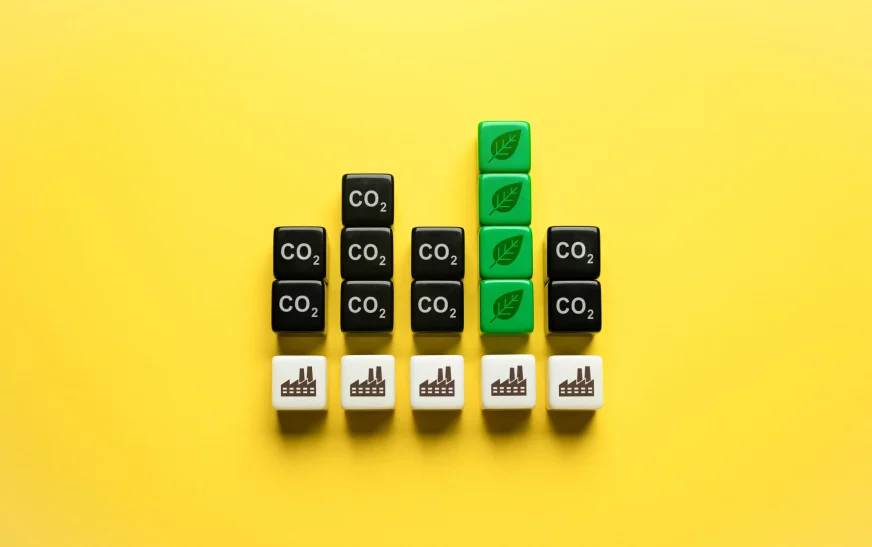
In 2025, reducing carbon footprint is no longer just an environmental responsibility; it has become a critical business strategy. As climate risks intensify and global sustainability expectations rise, companies across industries are under increasing pressure to measure, manage, and reduce their greenhouse gas emissions. Businesses that proactively address carbon reduction are gaining competitive, financial, and reputational advantages in an evolving global marketplace.
One of the strongest drivers behind carbon footprint reduction is regulatory pressure. Governments worldwide are implementing stricter environmental regulations, carbon pricing mechanisms, and mandatory sustainability disclosures. Companies that fail to reduce emissions face higher compliance costs, penalties, and operational restrictions. By investing in carbon reduction strategies early, businesses can mitigate regulatory risks and maintain operational continuity.
Cost efficiency is another compelling reason carbon reduction matters in 2025. Energy-intensive operations contribute significantly to operating expenses. Implementing energy-efficient technologies, optimizing processes, and transitioning to renewable energy sources reduce long-term costs and protect companies from volatile energy prices. What begins as an environmental initiative often results in measurable financial savings.
Investor expectations are also reshaping corporate priorities. Environmental, social, and governance criteria have become central to investment decisions. Institutional investors increasingly favor companies with clear decarbonization plans and transparent reporting. Businesses that demonstrate strong environmental performance are better positioned to attract capital, secure favorable financing, and enhance shareholder value.
Customer behavior further strengthens the business case. Modern consumers are more environmentally conscious and actively support brands that align with their values. Companies that commit to reducing carbon footprint build trust, enhance brand loyalty, and differentiate themselves in competitive markets. Sustainability credentials are increasingly influencing purchasing decisions, particularly in consumer-facing industries.
Carbon reduction also drives innovation and resilience. Efforts to lower emissions often lead companies to redesign products, streamline operations, and adopt new technologies. These innovations improve efficiency, reduce waste, and strengthen supply chains. As climate-related disruptions become more frequent, businesses with lower carbon exposure are better equipped to adapt and recover.
Employee engagement is another important factor. Employees increasingly seek to work for organizations that demonstrate social and environmental responsibility. Carbon reduction initiatives foster a sense of purpose, attract top talent, and improve retention rates. A strong sustainability culture enhances organizational performance and morale.
In 2025, reducing carbon footprint is a strategic imperative that aligns environmental stewardship with business success. Companies that act decisively today will secure long-term competitiveness, resilience, and relevance in a low-carbon economy.