
Alternative therapies have moved from the margins of healthcare into mainstream wellness conversations. Practices such as acupuncture, massage, meditation, and aromatherapy are increasingly used to support physical, mental, and emotional health. While these therapies should not replace conventional medical care, they offer meaningful benefits when integrated thoughtfully.
Understanding the Scope of Alternative Therapies:
Alternative therapies encompass a wide range of practices rooted in different cultural and historical traditions. Some of the most widely used include:
-
Acupuncture.
-
Massage therapy.
-
Aromatherapy.
-
Herbal medicine.
-
Yoga and tai chi.
-
Meditation and mindfulness.
Each therapy addresses health from a unique perspective, but many share a focus on balance and holistic well-being.
Acupuncture: Supporting Pain and Balance:
Acupuncture involves inserting thin needles at specific points on the body to influence energy flow and stimulate the nervous system. It is commonly used for pain management, headaches, stress, and certain chronic conditions.
Research suggests acupuncture may help reduce pain perception, improve circulation, and promote relaxation. Many people use it alongside medical treatments for added relief.
Massage Therapy: Physical and Mental Relief:
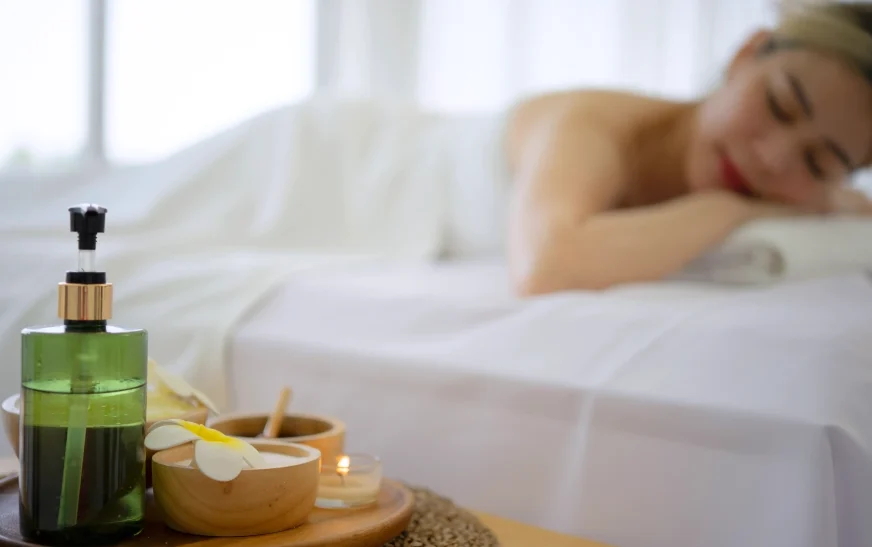
Massage therapy is widely recognized for its ability to reduce muscle tension, improve circulation, and promote relaxation. It also supports mental well-being by lowering stress hormones and encouraging rest.
Regular massage can improve recovery, mobility, and emotional balance, making it a valuable complementary therapy.
Aromatherapy: Harnessing the Power of Scent:
Aromatherapy uses essential oils derived from plants to influence mood and relaxation through scent. Oils such as lavender, eucalyptus, and peppermint are commonly used to support calmness, focus, and respiratory comfort.
Aromatherapy is often used in conjunction with meditation, massage, or relaxation routines to enhance their effects.
Meditation and Mindfulness: Mental Clarity and Resilience:
Meditation and mindfulness practices help cultivate awareness, reduce stress, and improve emotional regulation. These practices are supported by growing research showing benefits for anxiety, depression, and overall mental health.
Mindfulness can be practiced anywhere, making it one of the most accessible alternative therapies.
Yoga and Tai Chi: Movement with Intention:
Yoga and tai chi combine physical movement, breathing, and mindfulness. These practices improve flexibility, balance, strength, and mental focus.
They are particularly beneficial for stress reduction, mobility, and long-term joint health.
Herbal Remedies: Traditional Support:
Herbal remedies have been used for centuries across cultures. While some herbs have evidence supporting their use, others require caution due to potential interactions with medications.
Professional guidance is essential when incorporating herbal therapies.
Emotional and Psychological Benefits:
Many alternative therapies emphasize relaxation and self-awareness, which support emotional health. Reduced stress and improved emotional regulation positively influence overall well-being.
Holistic Health Benefits:
The greatest strength of alternative therapies lies in their holistic approach. Rather than isolating symptoms, they consider lifestyle, emotional state, and physical condition together.
Using Alternative Therapies Responsibly:
To maximize benefits:
-
Choose reputable practitioners.
-
Use therapies as complementary tools.
-
Stay informed about evidence and safety.
-
Communicate openly with healthcare providers.
A Balanced Path to Wellness:
Alternative therapies offer valuable support for modern health challenges. When integrated responsibly, they enhance comfort, resilience, and self-care.
From acupuncture to aromatherapy, alternative therapies provide gentle yet powerful ways to support health. Used alongside conventional care, they contribute to a more balanced, mindful, and empowered approach to well-being.