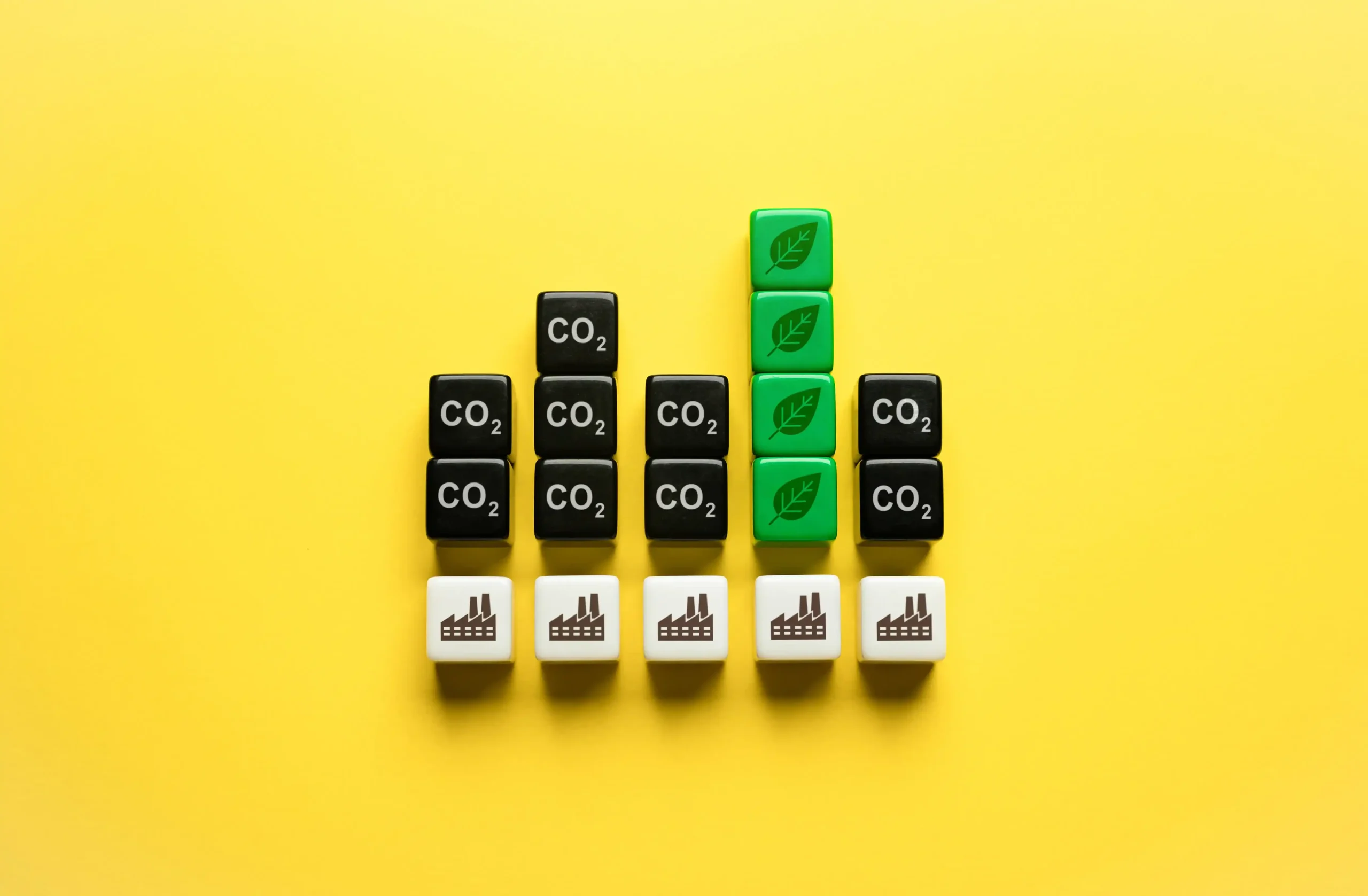


Sustainable business models demonstrate that economic success and environmental protection are not mutually exclusive. In fact, companies that integrate sustainability into their business models often achieve greater resilience, innovation, and long-term growth. As global challenges intensify, sustainable business models are becoming essential for companies aiming to thrive in 2025 and beyond.
At the heart of sustainable business models is the concept of shared value. Companies create value not only for shareholders but also for society and the environment. This approach aligns business objectives with broader sustainability goals, ensuring that growth does not come at the expense of natural resources or community well-being.
One key characteristic of sustainable business models is efficient resource utilization. Companies focus on reducing waste, conserving energy, and maximizing material efficiency. Circular economy practices, such as recycling, reuse, and product life extension, help businesses minimize environmental impact while lowering costs.
Innovation is a driving force behind sustainability-driven success. Many companies are developing products and services that address environmental challenges, such as renewable energy solutions, energy-efficient technologies, and eco-friendly consumer goods. These innovations open new revenue streams and meet growing market demand for sustainable solutions.
Customer engagement is central to sustainable business models. Companies that educate and involve customers in sustainability efforts build stronger relationships and brand loyalty. Transparency, ethical practices, and clear communication enhance trust and differentiate brands in competitive markets.
Collaboration strengthens sustainable outcomes. Partnerships with suppliers, governments, and non-profit organizations enable companies to scale sustainability initiatives and share best practices. Collaborative approaches often lead to more effective and innovative solutions.
Financial performance and sustainability are increasingly interconnected. Sustainable business models reduce risks associated with regulatory changes, resource scarcity, and reputational damage. They also attract investors seeking long-term value and stability.
Ultimately, sustainable business models enable companies to thrive while protecting the planet. By aligning profitability with responsibility, businesses can contribute to a more sustainable economy and secure their place in a future where environmental stewardship is a core expectation rather than an optional add-on.