
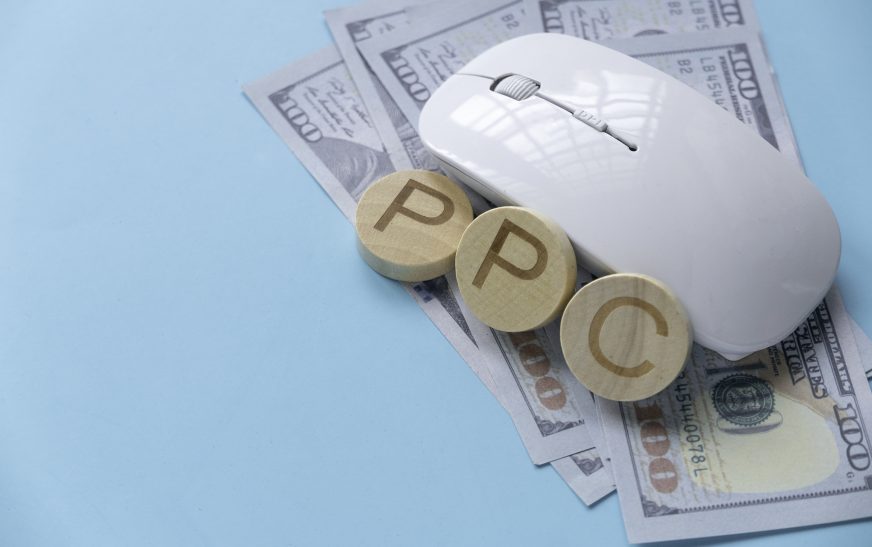
In the fast-paced world of digital marketing, Pay-Per-Click (PPC) advertising offers businesses a powerful way to drive immediate traffic, increase brand visibility, and generate leads. Unlike organic marketing, PPC allows you to pay only when someone clicks your ad, making it a cost-effective method to reach your target audience.
If you’re new to PPC, this guide will walk you through everything you need to know to launch, manage, and optimize successful campaigns.
1. What is PPC Advertising?
PPC advertising is a model where advertisers pay a fee each time their ad is clicked. It’s essentially a way to buy visits to your website rather than waiting for organic traffic.
How PPC Works:
-
Advertisers bid on keywords relevant to their business.
-
Search engines or social platforms display ads based on the bid and ad quality.
-
You pay only when a user clicks your ad.
PPC is most commonly associated with search engine ads, like Google Ads, but also includes social media ads, display advertising, and shopping campaigns.
2. Benefits of PPC Advertising:
PPC offers multiple advantages for businesses of all sizes:
-
Immediate Visibility: Ads appear at the top of search results instantly.
-
Targeted Reach: Ads can target by keywords, location, demographics, and devices.
-
Cost Control: Set budgets and bid amounts, paying only for clicks.
-
Measurable Results: Track clicks, impressions, conversions, and ROI.
-
Enhanced Brand Awareness: Even if users don’t click, ads increase visibility.
PPC is particularly useful for launching new products, testing markets, and promoting time-sensitive offers.
3. Key Types of PPC Ads:
There are several PPC formats, each suited to different marketing objectives:
1. Search Ads:
-
Appear at the top or bottom of search engine results.
-
Triggered by relevant keywords.
-
Best for intent-driven traffic (users actively searching for your product or service).
2. Display Ads:
-
Banner or visual ads shown on websites within the Google Display Network or other platforms.
-
Effective for brand awareness and retargeting.
3. Shopping Ads:
-
Product-based ads appearing in search results with images, price, and description.
-
Ideal for e-commerce businesses.
4. Social Media Ads:
-
Ads on platforms like Facebook, Instagram, LinkedIn, TikTok, and X.
-
Targeting options include demographics, interests, behavior, and lookalike audiences.
5. Remarketing / Retargeting Ads:
-
Ads targeting users who previously visited your website or interacted with your brand.
-
Highly effective for conversion optimization.
4. How to Set Up a PPC Campaign:
Launching a successful PPC campaign requires strategic planning and execution:
Step 1: Define Your Goals:
Determine the primary objective of your campaign:
-
Lead generation.
-
Sales or e-commerce conversions.
-
Brand awareness.
-
Website traffic.
Step 2: Conduct Keyword Research:
Keywords are the foundation of search-based PPC campaigns. Focus on:
-
High-intent keywords – phrases that indicate purchase intent (e.g., “buy running shoes online”).
-
Long-tail keywords – more specific phrases with lower competition.
-
Use tools like Google Keyword Planner, Ahrefs, or SEMrush.
Step 3: Set a Budget:
Decide how much you’re willing to spend daily or monthly. PPC allows you to:
-
Set daily or campaign budgets.
-
Control bids manually or let the platform optimize automatically.
Step 4: Write Compelling Ad Copy:
Your ad copy should:
-
Highlight the unique value proposition.
-
Include a clear CTA (“Buy Now,” “Sign Up Today”).
-
Match the user intent behind the keyword.
Step 5: Design Landing Pages:
PPC ads are only effective if the landing page converts. Ensure:
-
Relevant and focused content.
-
Fast loading times.
-
Mobile responsiveness.
-
Clear CTAs and simple forms.
Step 6: Launch and Monitor:
-
Set up tracking (Google Analytics, Facebook Pixel, conversion tracking).
-
Monitor clicks, impressions, CTR, and conversions.
5. Bidding Strategies:
PPC platforms use bidding systems to determine which ads are shown and how much you pay per click. Common strategies include:
-
Manual CPC (Cost Per Click): You set bids for individual keywords.
-
Automated Bidding: Platforms adjust bids based on goals (maximize clicks, conversions, or ROAS).
-
Target CPA (Cost Per Acquisition): Platform optimizes to achieve a specific cost per conversion.
-
Target ROAS (Return on Ad Spend): Optimizes bids to reach a revenue goal.
Choosing the right strategy depends on your campaign objective and budget.
6. Tracking and Measuring Success:
Analytics are critical to PPC success. Key metrics include:
-
CTR (Click-Through Rate): Percentage of users who click your ad.
-
Conversion Rate: Percentage of users who complete the desired action.
-
Quality Score: Google’s measure of relevance and landing page experience.
-
Cost Per Click (CPC): Amount you pay per click.
-
Return on Ad Spend (ROAS): Revenue generated relative to ad spend.
Monitoring these metrics allows you to adjust bids, ad copy, and targeting to improve ROI.
7. Tips to Optimize PPC Campaigns:
1. Focus on High-Intent Keywords:
Target keywords that indicate a readiness to act, not just browse.
2. Use Negative Keywords:
Filter out irrelevant traffic to reduce wasted spend.
3. Test Ad Copy and Creative:
A/B test headlines, descriptions, and images to determine what resonates.
4. Optimize Landing Pages:
Ensure consistency between ad messaging and landing page content.
5. Leverage Retargeting:
Re-engage users who didn’t convert on the first visit.
6. Monitor Competitors:
Analyze competitor ads to identify gaps and opportunities.
Tools to help:
-
Google Ads / Microsoft Ads – ad creation and management.
-
SEMrush / SpyFu – competitor PPC insights.
-
Unbounce / Instapage – landing page optimization.
8. Common PPC Mistakes to Avoid:
-
Ignoring conversion tracking.
-
Bidding on overly broad or irrelevant keywords.
-
Using generic ad copy without a clear CTA.
-
Neglecting mobile optimization.
-
Failing to test and refine campaigns regularly.
Avoiding these mistakes ensures you maximize ROI and engagement from your campaigns.
Conclusion:
PPC advertising is a powerful, measurable way to drive traffic, leads, and sales. While it requires careful planning, monitoring, and optimization, the rewards are significant: immediate visibility, targeted reach, and measurable ROI.
Key Takeaways:
-
Define clear goals and choose the right platform.
-
Conduct keyword research and focus on high-intent phrases.
-
Write compelling ad copy and design optimized landing pages.
-
Monitor analytics and optimize campaigns based on data.
-
Leverage retargeting, A/B testing, and automation for maximum efficiency.
With the right strategy, PPC allows businesses to reach the right audience at the right time, turning clicks into conversions and building a measurable path to growth.