

Wellness technology has evolved from simple step counters into powerful tools that help individuals understand, track, and improve their overall health. In 2025, wearable devices, mobile apps, and connected health tools are making personal wellness more measurable, personalized, and accessible than ever before. However, the true value of wellness technology lies not in the data itself, but in how that data is used to drive healthier habits.
Understanding Wellness Technology:
Wellness technology refers to digital tools and devices designed to monitor physical, mental, and emotional health. This includes fitness trackers, smartwatches, sleep monitors, nutrition apps, stress-management tools, and connected home health devices.
These technologies provide real-time insights that help users make informed decisions about their health.
Tracking Physical Activity Effectively:
Wearable fitness trackers are one of the most common wellness tools. They measure steps, heart rate, workouts, calories burned, and movement patterns throughout the day.
To use these tools effectively:
-
Set realistic activity goals based on your lifestyle.
-
Focus on consistency rather than competition.
-
Use trends over time instead of obsessing over daily numbers.
Tracking activity increases awareness and encourages movement without requiring extreme routines.
Improving Sleep Through Technology:
Sleep tracking devices and apps analyze sleep duration, quality, and stages. Understanding sleep patterns helps identify issues such as inconsistent schedules or poor recovery.
Using sleep data effectively involves:
-
Maintaining consistent bed and wake times.
-
Adjusting bedtime routines based on sleep insights.
-
Prioritizing quality over quantity.
Better sleep improves energy, focus, and long-term health outcomes.
Monitoring Stress and Mental Well-Being:
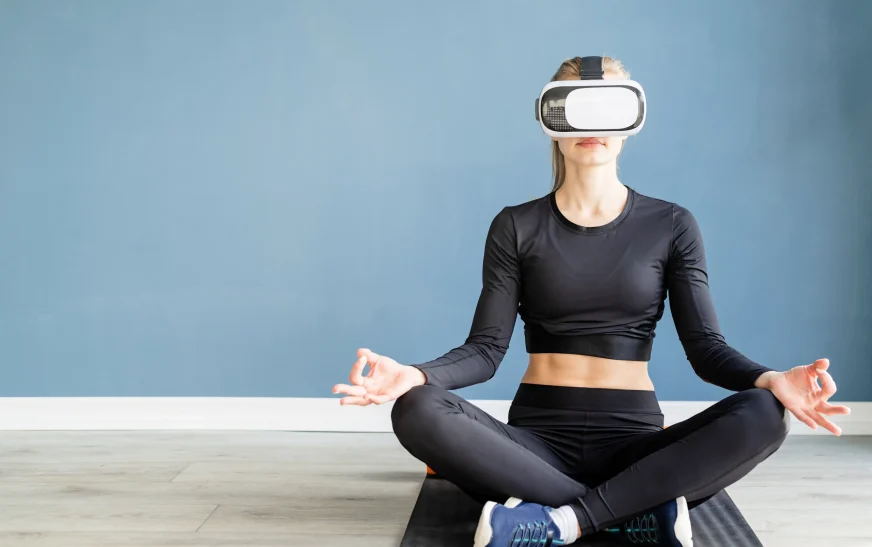
Many wellness devices now track stress indicators through heart rate variability, breathing patterns, or self-reported data. Paired with mindfulness and meditation apps, these tools support emotional regulation.
Short guided sessions, breathing exercises, and reminders encourage daily mental health care, especially for busy professionals.
Using Nutrition and Hydration Tools:
Nutrition apps help track food intake, hydration, and nutrient balance. These tools increase awareness without requiring restrictive diets.
The goal is insight, not perfection. Tracking helps users recognize patterns and make gradual improvements.
Setting Meaningful Health Goals:
Wellness technology works best when aligned with personal goals. Whether your objective is better energy, stress reduction, improved fitness, or weight management, technology provides feedback that supports progress.
Avoid setting too many goals at once. Focus on one or two key areas for sustainable improvement.
Avoiding Data Overload:
One common challenge is becoming overwhelmed by data. Numbers should guide decisions, not create anxiety.
Use technology as a supportive tool—not a source of pressure. Listening to your body remains just as important as reading metrics.
Integrating Technology into Daily Life:
The most successful users integrate wellness technology seamlessly into daily routines. Small habits—checking sleep trends weekly or reviewing activity summaries—create long-term benefits.
The Future of Personalized Wellness:
In 2025, AI-driven insights are making wellness technology more personalized than ever. Customized recommendations based on behavior patterns increase relevance and engagement.
Wellness technology empowers individuals to take control of their health. When used mindfully, it transforms data into awareness, awareness into action, and action into lasting well-being.