
Product failure often results from launching solutions that do not adequately meet market needs. Testing and validation are critical steps that allow businesses to identify issues early, refine offerings, and increase confidence before launch.
Why Product Validation Matters:
Validation reduces risk by ensuring that the product solves a real problem and resonates with users. It helps teams avoid costly rework and reputational damage.
Early validation also provides data-driven insights that guide product and marketing decisions.
1. Define Clear Assumptions:
Every product is built on assumptions about customers, problems, and solutions. Clearly defining these assumptions allows teams to design validation experiments that test them effectively.
Identifying assumptions early ensures focused and meaningful testing.
2. Build a Minimum Viable Product (MVP):
An MVP is a simplified version of the product designed to test core functionality. MVPs allow teams to gather real user feedback with minimal investment.
This approach accelerates learning and enables rapid iteration.
3. Conduct User Testing:
User testing provides direct insights into usability, functionality, and overall experience. Techniques such as usability testing, beta programs, and pilot launches reveal strengths and weaknesses.
Listening to users is essential for meaningful validation.
4. Measure Key Performance Indicators:
Define metrics that indicate product success, such as engagement, retention, conversion rates, and customer satisfaction. Quantitative data complements qualitative feedback.
Metrics provide objective evidence of product readiness.
5. Iterate Based on Feedback:
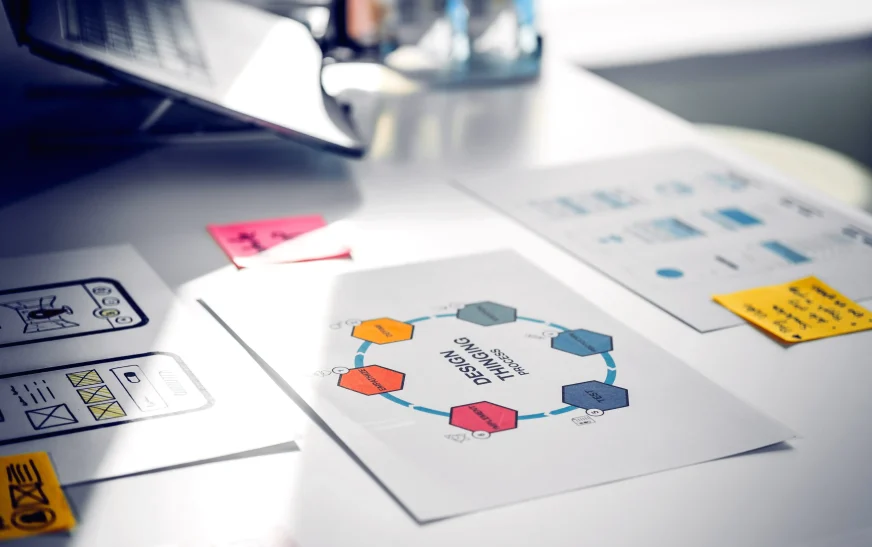
Validation is not a one-time activity. Use feedback and data to refine features, improve usability, and address concerns. Iterative improvement strengthens product-market fit.
6. Validate Market Readiness:
Before launch, assess pricing acceptance, marketing messaging, and customer support capabilities. Ensuring readiness across all touchpoints increases launch success.
Thorough testing and validation transform uncertainty into confidence. By validating products before launch, businesses improve quality, reduce risk, and set the stage for sustainable growth.