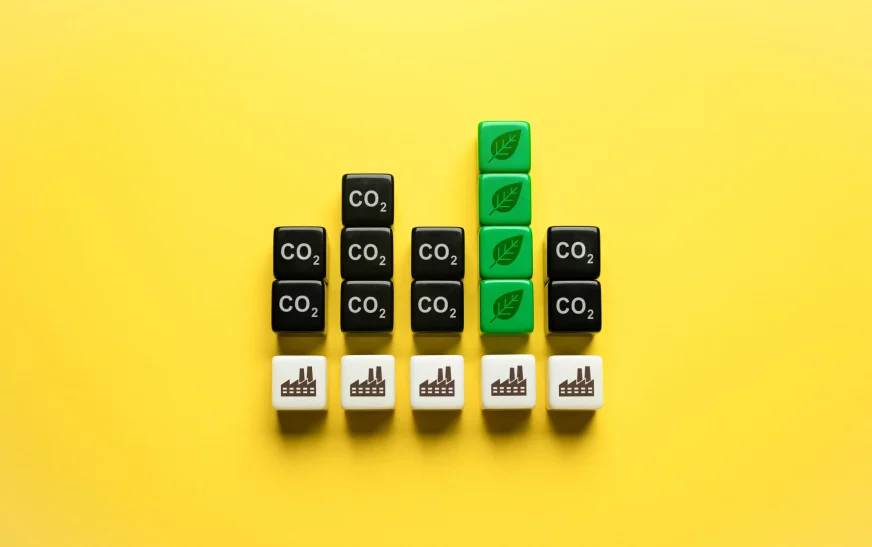

Reducing carbon footprint has become a shared responsibility for individuals and businesses as climate change concerns intensify. A carbon footprint represents the total greenhouse gas emissions generated by activities such as energy use, transportation, and consumption. While large-scale policy changes are essential, everyday actions can collectively make a significant impact.

For individuals, energy consumption is a major contributor to carbon emissions. Simple steps such as using energy-efficient appliances, switching to LED lighting, and turning off devices when not in use can significantly reduce household emissions. Improving insulation and using natural lighting further lower energy demand.

Transportation choices also have a substantial impact. Walking, cycling, carpooling, and using public transportation reduce emissions and promote healthier lifestyles. For those who drive, maintaining vehicles properly and considering fuel-efficient or electric options can significantly lower carbon output over time.

Dietary habits influence carbon footprint as well. Reducing meat consumption, choosing locally sourced foods, and minimizing food waste help lower emissions associated with agriculture and transportation. Composting organic waste further reduces methane emissions from landfills.

Businesses have an even greater opportunity to reduce carbon footprint due to the scale of their operations. Energy efficiency measures, such as upgrading equipment, optimizing HVAC systems, and adopting renewable energy sources, deliver immediate emission reductions and cost savings.

Supply chain management plays a critical role for businesses. Sourcing materials responsibly, optimizing logistics, and working with environmentally conscious suppliers help reduce indirect emissions. Transparency and collaboration across the supply chain amplify carbon reduction efforts.

Remote work and digital operations also contribute to emission reduction. Reducing business travel, embracing virtual meetings, and supporting flexible work arrangements lower transportation-related emissions while improving employee work-life balance.

Measuring and tracking emissions is essential for both individuals and organizations. Carbon calculators, energy monitoring tools, and sustainability reporting provide visibility into emission sources and progress. Setting realistic reduction targets encourages accountability and continuous improvement.

Offsetting emissions through verified carbon offset programs is another option. While offsets should not replace reduction efforts, they help address unavoidable emissions by supporting renewable energy, reforestation, or conservation projects.

Ultimately, reducing carbon footprint is about making conscious, consistent choices. Small actions, when adopted widely, lead to meaningful change. By integrating sustainable habits into daily life and business operations, individuals and organizations can contribute to climate solutions while building a more sustainable and resilient future.

Leave a Reply

Your email address will not be published. Required fields are marked *

Related Posts