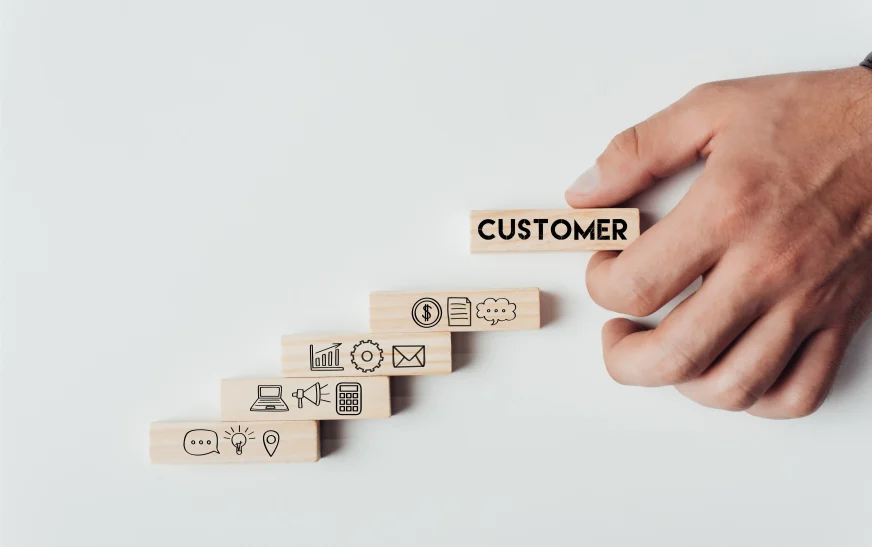


A well-optimized B2B sales funnel is essential for driving predictable revenue and long-term growth. Unlike B2C funnels, B2B sales funnels are often longer, more complex, and involve multiple decision-makers. Optimizing each stage of the funnel ensures that prospects move forward with confidence rather than dropping off due to friction, confusion, or lack of trust.
Understand the Full B2B Buyer Journey:
The first step in optimization is understanding how prospects move through your funnel—from awareness to decision. B2B buyers typically conduct extensive research, compare vendors, and seek internal alignment before purchasing.
Mapping the buyer journey helps identify bottlenecks, drop-off points, and opportunities to add value at each stage. A clear understanding of buyer behavior allows you to design experiences that align with real decision-making processes.
Attract the Right Prospects at the Top of the Funnel:
Conversion optimization starts with lead quality. Attracting unqualified leads increases funnel volume but decreases efficiency. Focus on targeted content, SEO strategies, account-based marketing, and thought leadership that speaks directly to your ideal customer profile.
When top-of-funnel messaging is clear and specific, prospects self-qualify before entering the funnel, improving downstream conversion rates.
Improve Lead Qualification and Scoring:
Not all leads are ready for sales conversations. Implementing lead qualification frameworks and scoring models helps prioritize high-intent prospects. Behavioral signals such as content engagement, demo requests, and repeat visits provide insight into readiness.
Marketing and sales alignment is critical at this stage. Clear definitions of marketing-qualified leads (MQLs) and sales-qualified leads (SQLs) prevent wasted effort and missed opportunities.
Nurture Prospects with Relevant Content:
Most B2B buyers are not ready to purchase immediately. Lead nurturing through targeted email campaigns, case studies, webinars, and industry insights keeps your brand top of mind while building trust.
Content should address objections, demonstrate value, and educate prospects rather than pushing for immediate conversion. Consistent nurturing shortens sales cycles and improves close rates.
Optimize Sales Conversations:
Once prospects reach the sales stage, personalized and consultative conversations are key. Sales teams should focus on understanding business challenges, decision criteria, and success metrics.
Providing tailored proposals, ROI justifications, and implementation clarity increases confidence and reduces friction during decision-making.
Analyze, Test, and Refine Continuously:
Funnel optimization is an ongoing process. Track conversion rates, time-to-close, and pipeline velocity at each stage. Use data to identify inefficiencies and test improvements such as messaging changes, new content formats, or automation tools.
A high-performing B2B sales funnel prioritizes quality, clarity, and consistency. Businesses that optimize each stage strategically achieve higher conversions and sustainable revenue growth.