

Implementing an efficient waste management system requires a structured approach that aligns environmental responsibility with operational efficiency. For companies seeking to reduce waste, control costs, and meet sustainability goals, a well-designed waste management system is essential.
The first step in building an effective waste management system is conducting a waste audit. This involves identifying the types, sources, and volumes of waste generated across operations. Understanding waste streams helps businesses pinpoint inefficiencies and prioritize areas for improvement. A clear baseline enables informed decision-making and goal setting.
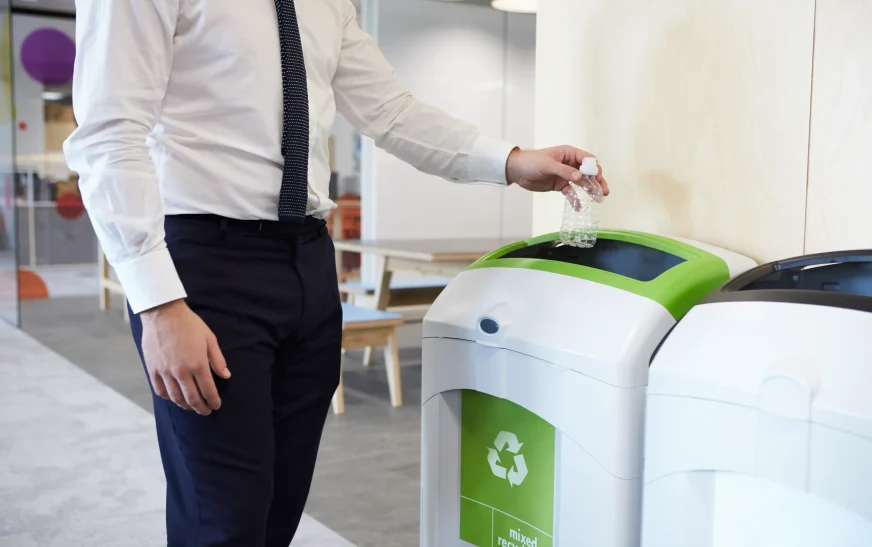
Once waste sources are identified, waste segregation becomes critical. Separating recyclable, reusable, hazardous, and general waste at the source improves recycling rates and reduces contamination. Providing clearly labeled bins and employee training ensures proper segregation and smooth implementation.
Waste reduction should be a primary focus before recycling or disposal. Businesses can reduce waste by optimizing production processes, minimizing packaging, switching to digital documentation, and sourcing materials more efficiently. Preventing waste at the source delivers the greatest environmental and financial benefits.
Recycling and reuse programs form the backbone of efficient waste systems. Partnering with certified recycling vendors ensures that materials such as paper, plastics, metals, and electronics are processed responsibly. Reuse initiatives, such as refurbishing equipment or repurposing materials, extend product life cycles and reduce procurement costs.
Technology plays an increasingly important role in waste management. Digital tracking systems, data analytics, and smart bins help monitor waste volumes, identify trends, and measure performance. These insights allow companies to continuously improve waste strategies and demonstrate progress toward sustainability targets.
Employee involvement is essential for success. Training programs, awareness campaigns, and clear guidelines encourage participation and accountability. Assigning waste management responsibilities to specific teams or sustainability champions ensures consistency and oversight.
Compliance and documentation should not be overlooked. Businesses must stay informed about local regulations related to waste handling, hazardous materials, and reporting requirements. Maintaining accurate records supports audits, certifications, and sustainability disclosures.
Finally, continuous improvement ensures long-term effectiveness. Regular reviews, performance metrics, and supplier evaluations help refine waste management systems over time. Setting measurable goals and celebrating milestones keeps momentum strong.
By implementing efficient waste management systems, companies can reduce environmental impact, lower costs, and strengthen sustainability performance. A structured, data-driven approach ensures waste management becomes an integrated and valuable part of business operations.