

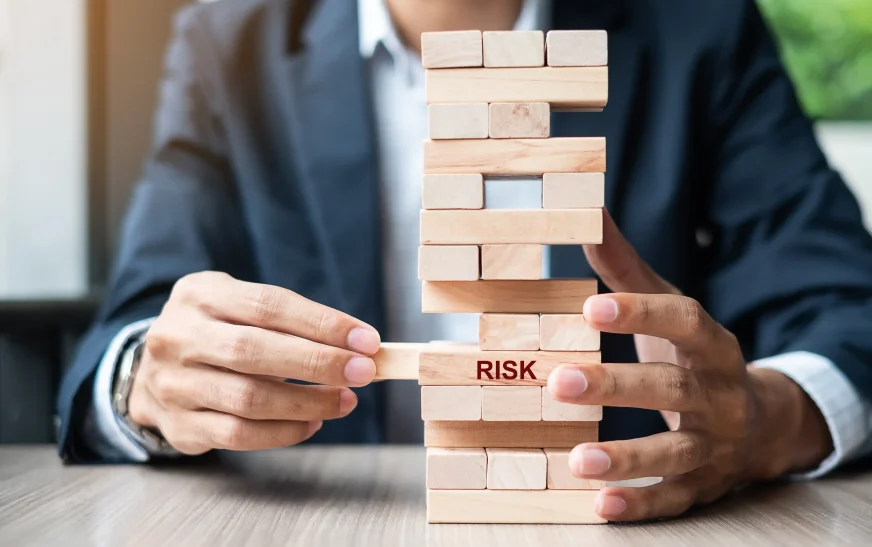
Creating an effective risk management strategy requires a structured and proactive approach. Rather than addressing risks only when problems arise, businesses should integrate risk management into daily operations and strategic planning. A strong risk management strategy helps organizations anticipate challenges, reduce losses, and make informed decisions.
The first step in building a risk management strategy is risk identification. Businesses must systematically identify potential risks across all areas of operation, including financial, operational, legal, technological, and strategic domains. Engaging team members from different departments provides diverse perspectives and ensures that hidden risks are not overlooked.
Once risks are identified, the next step is risk assessment. This involves evaluating the likelihood and potential impact of each risk. Not all risks are equal, and prioritization is essential. High-impact, high-probability risks require immediate attention, while lower-risk issues may be monitored over time. Risk assessment tools such as risk matrices help visualize priorities and allocate resources effectively.
Developing risk mitigation plans is the core of the strategy. Mitigation measures aim to reduce either the likelihood or impact of identified risks. Common approaches include implementing internal controls, improving processes, investing in technology, diversifying suppliers, and securing appropriate insurance coverage. Each risk should have a clearly defined response plan.
Assigning ownership and accountability is critical. Every significant risk should have a designated owner responsible for monitoring and managing it. Clear roles ensure that risk management actions are implemented consistently and reviewed regularly. Leadership involvement reinforces accountability and commitment across the organization.
Communication and training play a vital role in effective risk management. Employees should understand potential risks relevant to their roles and know how to respond. Regular training, clear policies, and open communication channels promote awareness and encourage proactive risk reporting.
Monitoring and review ensure that the risk management strategy remains effective over time. Business environments evolve, and new risks emerge. Regular risk assessments, audits, and performance reviews help identify changes and adjust strategies accordingly. Continuous improvement strengthens resilience and adaptability.
Technology can significantly enhance risk management capabilities. Data analytics, monitoring tools, and automation provide real-time insights into emerging risks. Digital dashboards help leadership track key risk indicators and respond quickly to potential threats.
Finally, integrating risk management into strategic decision-making ensures alignment with business goals. Risk considerations should inform investments, expansion plans, and operational changes. When risk management is embedded into business culture, it becomes a source of competitive advantage rather than a compliance exercise.
An effective risk management strategy protects businesses from uncertainty while supporting confident growth. By identifying risks early, prioritizing wisely, and responding proactively, organizations can build resilience, safeguard value, and thrive in a complex and dynamic business environment.