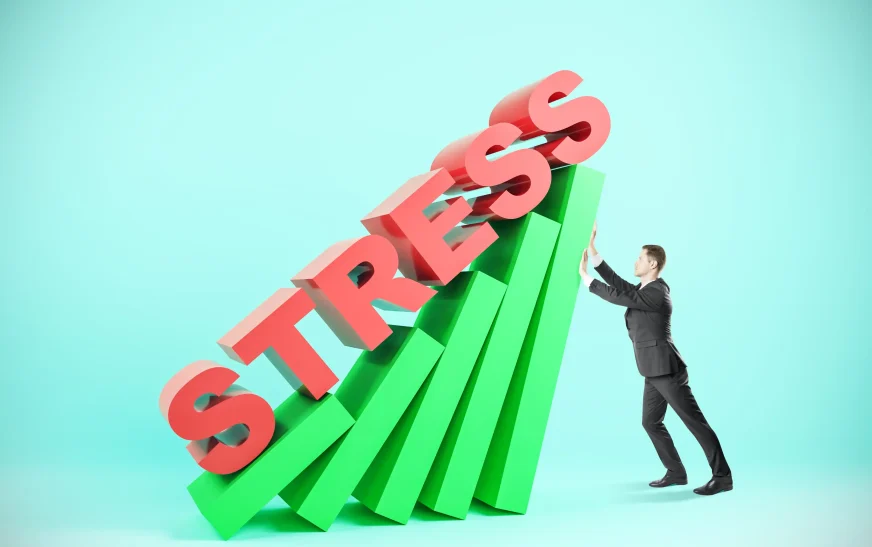

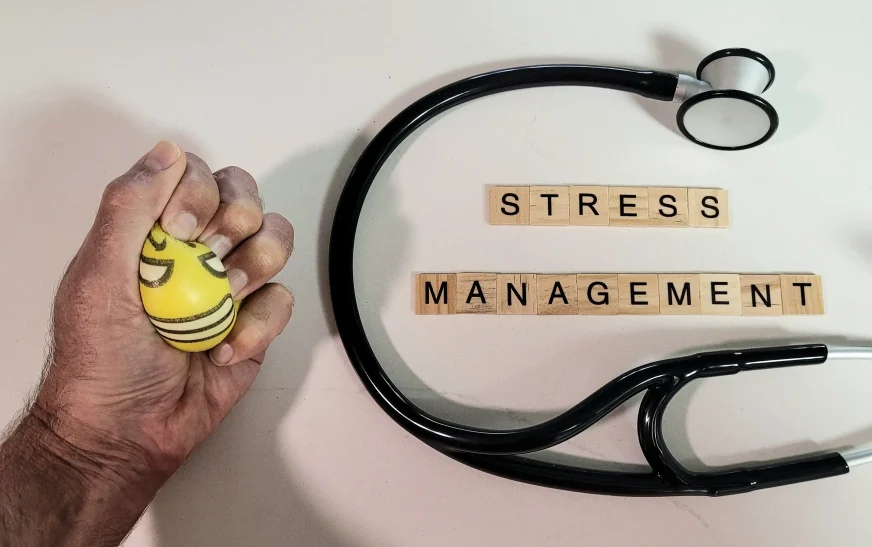
Stress is an unavoidable part of modern life, but unmanaged stress can quietly undermine both mental and physical health. A structured stress management plan helps individuals move from reactive coping to proactive resilience. Rather than eliminating stress entirely, the goal is to manage it effectively so it does not control your health, energy, or quality of life.
Understanding Stress and Its Impact:
Stress is the body’s natural response to perceived demands or threats. In short bursts, stress can improve focus and performance. However, chronic stress keeps the body in a constant state of alert, leading to fatigue, anxiety, weakened immunity, cardiovascular strain, and sleep disruption.
A stress management plan provides clarity, structure, and consistency in addressing these challenges.
Step 1: Identify Your Stress Triggers:
The foundation of any effective plan is awareness. Stress triggers vary from person to person and may include workload, financial pressure, relationship conflicts, health concerns, or digital overload.
Track moments when stress spikes and note what caused it, how you responded, and how it affected you. This insight allows you to address stress at its source rather than reacting blindly.
Step 2: Recognize Your Stress Signals:
Stress often manifests through physical and emotional cues such as headaches, muscle tension, irritability, restlessness, or poor concentration. Learning to recognize these early signals allows timely intervention before stress escalates.
Your body often signals stress before your mind acknowledges it.
Step 3: Set Clear Stress-Reduction Goals:
Effective stress management requires intention. Define what you want to improve—better sleep, calmer responses, improved focus, or reduced burnout.
Goals should be realistic and measurable. For example, “practice daily breathing exercises” or “disconnect from work emails after a certain hour.”
Step 4: Build Daily Stress-Management Habits:
Consistency is more effective than intensity. Incorporate simple practices into daily life:
-
Mindful breathing or meditation.
-
Regular physical movement.
-
Short breaks during work.
-
Time outdoors.
-
Journaling or reflection.
These habits regulate the nervous system and reduce stress accumulation.
Step 5: Prioritize Sleep and Recovery:
Sleep is one of the most powerful stress regulators. Poor sleep amplifies stress responses and reduces emotional resilience.
Establish a consistent sleep routine, limit screens before bed, and create a calming pre-sleep ritual. Recovery is not optional—it is essential.
Step 6: Strengthen Boundaries:
Many stressors stem from blurred boundaries. Establish limits around work hours, availability, and commitments. Saying no when necessary protects energy and prevents overload.
Boundaries are a form of self-care, not avoidance.
Step 7: Manage Cognitive Stress:
Not all stress comes from external demands—many stressors are internal. Cognitive techniques such as reframing, gratitude practices, and realistic self-talk help reduce mental strain.
Changing how you interpret stressors often reduces their impact.
Step 8: Build a Support System:
Social support buffers stress. Trusted friends, family, colleagues, or professionals provide perspective, encouragement, and accountability.
Seeking support is a strength, not a weakness.
Step 9: Review and Adjust Regularly:
Stress levels and triggers change over time. Review your plan periodically and adjust strategies as life circumstances evolve.
Stress Management Is Preventive Health:
A well-designed stress management plan protects both mental and physical health, improves resilience, and enhances quality of life.
Managing stress intentionally transforms it from a chronic burden into a manageable part of life—supporting long-term health, clarity, and balance.