

Acquiring new customers is expensive. In 2025, businesses that prioritize retention over acquisition will see higher profits, stronger brand loyalty, and long-term growth. A customer retention strategy focuses on keeping your existing customers engaged, satisfied, and coming back.
Step 1: Understand Your Customer Lifetime Value (CLV):
Customer retention begins with knowing the value of each customer. CLV measures how much revenue a customer generates over their relationship with your brand. Prioritizing high-value customers allows you to allocate retention resources efficiently.
Step 2: Segment Your Customers:
Not all customers are alike. Segment them based on:
-
Purchase frequency.
-
Order value.
-
Engagement level.
-
Demographics and preferences.
Segmentation allows targeted retention campaigns tailored to each group’s needs.
Step 3: Map the Customer Journey:
Identify every touchpoint your customers have with your brand:
-
Awareness and discovery.
-
Purchase process.
-
Post-purchase support.
-
Re-engagement opportunities.
Understanding the journey helps pinpoint where customers drop off and where you can strengthen engagement.
Step 4: Offer Exceptional Customer Support:
Support is a cornerstone of retention. In 2025, customers expect fast, omnichannel assistance. Use:
-
AI-powered chatbots for instant responses.
-
Multi-channel support (email, social media, chat, phone).
-
Personalized follow-ups after purchases.
A positive support experience turns occasional buyers into loyal advocates.
Step 5: Develop Loyalty Programs:
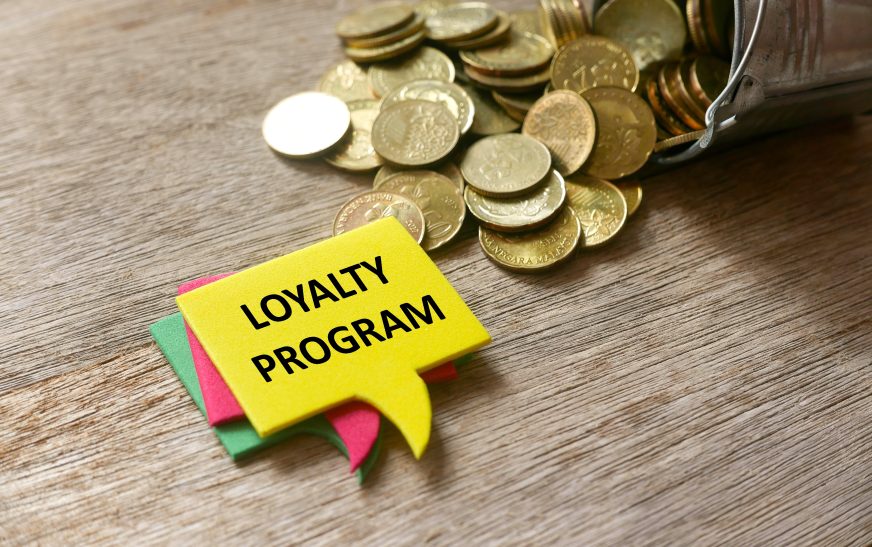
Loyalty programs incentivize repeat purchases. Consider:
-
Points-based systems.
-
Tiered rewards for high-value customers.
-
Exclusive early access or perks.
Gamifying loyalty encourages ongoing engagement and repeat business.
Step 6: Collect and Act on Feedback:
Actively listening to customers strengthens trust. Use surveys, reviews, and social listening to uncover pain points and opportunities. More importantly, act on feedback promptly and communicate improvements—customers notice.
Step 7: Implement Retention Metrics:
Track retention success using metrics like:
-
Repeat purchase rate.
-
Churn rate.
-
Net Promoter Score (NPS).
-
Customer satisfaction (CSAT).
Data-driven insights guide adjustments and identify high-risk segments.
Step 8: Personalize Engagement:
Use customer data to create personalized campaigns:
-
Product recommendations.
-
Birthday or anniversary offers.
-
Re-engagement emails for inactive users.
Personalization makes customers feel valued, increasing loyalty and lifetime value.
Step 9: Automate Where Possible:
Automation ensures timely, consistent engagement:
-
Drip email campaigns.
-
Abandoned cart reminders.
-
Post-purchase follow-ups.
Tools like Klaviyo, HubSpot, and ActiveCampaign make automation seamless and scalable.
Step 10: Continuously Improve:
Retention strategies aren’t static. Test different loyalty programs, messaging, and channels. Monitor results and iterate regularly to stay ahead of changing customer expectations.
A strong retention strategy in 2025 transforms buyers into brand advocates, reducing acquisition costs and boosting revenue over time.