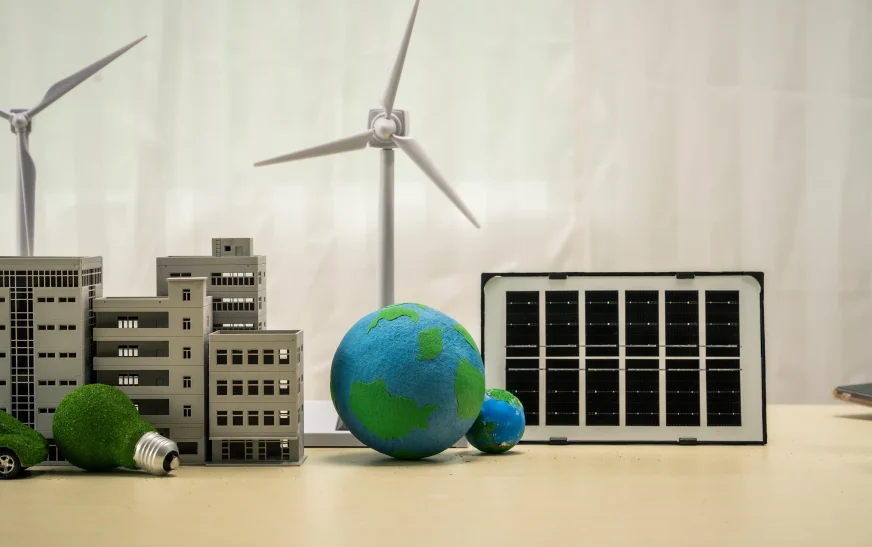

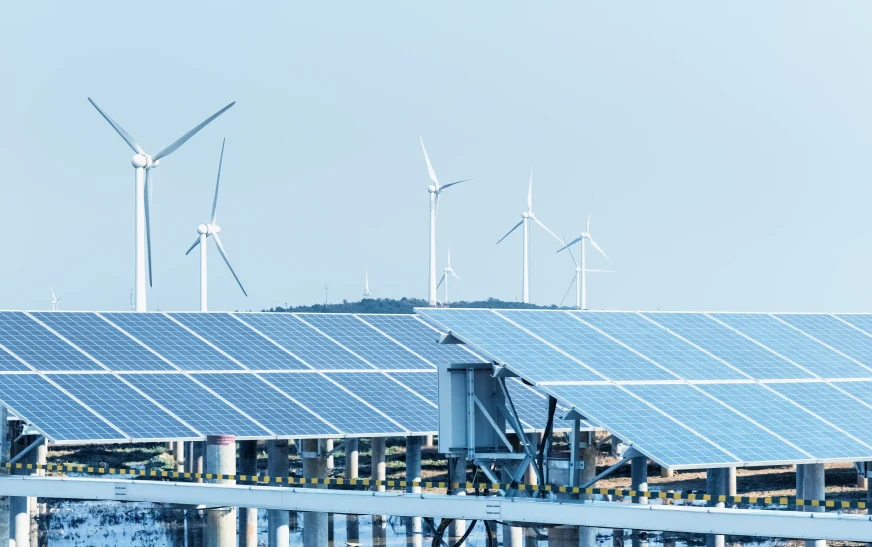
Renewable energy is fundamentally reshaping the global energy landscape, changing how power is generated, distributed, and consumed. As the world confronts climate change, energy security concerns, and rising demand, renewable sources such as solar, wind, hydro, and biomass are emerging as critical solutions.
One of the most profound transformations driven by renewable energy is the shift away from fossil fuel dependency. Traditionally, global energy systems relied heavily on coal, oil, and natural gas, leading to high carbon emissions and environmental degradation. Renewable energy offers a cleaner alternative, significantly reducing greenhouse gas emissions and air pollution. This transition is essential for meeting international climate goals and improving public health.
Renewable energy is also democratizing access to power. In many developing regions, centralized power infrastructure is limited or unreliable. Solar mini-grids, off-grid wind systems, and small-scale hydropower projects are providing electricity to communities that were previously underserved. This access supports economic development, education, healthcare, and overall quality of life.
The global energy market is becoming more diversified and resilient due to renewables. Unlike fossil fuels, which are concentrated in specific regions, renewable resources are widely distributed. Sunlight, wind, and water are available in varying degrees across the globe, reducing geopolitical tensions and energy import dependence. Countries investing in domestic renewable resources are enhancing their energy independence and stability.
Job creation is another major impact of renewable energy transformation. The renewable sector is generating millions of jobs worldwide in manufacturing, installation, operations, and maintenance. These jobs often require new skill sets, driving workforce development and innovation. As renewable energy projects expand, they contribute to local economies and long-term employment opportunities.
Technological innovation is accelerating the integration of renewables into existing energy systems. Smart grids, digital monitoring tools, and advanced forecasting models enable better integration of variable renewable sources. Energy storage solutions ensure consistent power supply, while demand-response systems help balance consumption and generation.
Corporate and consumer behavior is also shifting as renewable energy becomes more accessible. Many businesses are committing to 100 percent renewable energy targets, purchasing clean power through long-term agreements or generating it on-site. Consumers are increasingly adopting solar panels, electric vehicles, and energy-efficient appliances, further reinforcing the transition.
Overall, renewable energy is transforming the global energy landscape by making it cleaner, more resilient, and more inclusive. As adoption continues to grow, renewables will play a central role in shaping a sustainable and secure energy future for generations to come.