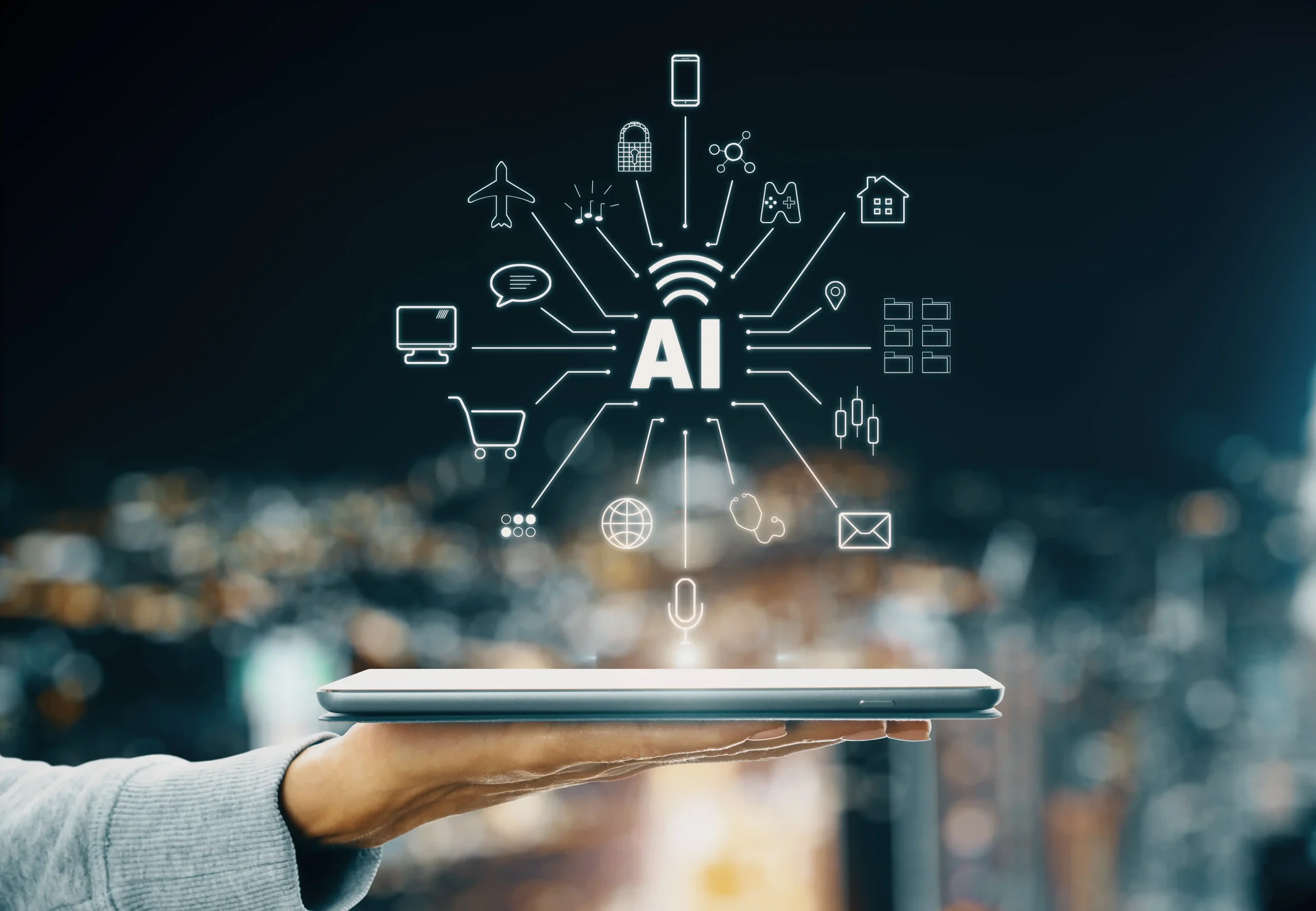


Artificial Intelligence (AI) is no longer a futuristic concept—it is a transformative force reshaping industries across the globe. From healthcare and finance to manufacturing and marketing, AI is changing how organizations operate, compete, and deliver value. Businesses that understand and adopt AI strategically are gaining significant advantages in efficiency, innovation, and customer experience.
AI as a Catalyst for Industry Transformation:
At its core, AI enables machines to analyze data, recognize patterns, and make decisions with minimal human intervention. This capability allows organizations to process vast amounts of information faster and more accurately than ever before.
Industries that rely heavily on data—such as finance, healthcare, and logistics—have been early adopters. However, AI’s impact is now extending to nearly every sector.
Healthcare: Improving Outcomes and Efficiency:
In healthcare, AI is revolutionizing diagnostics, treatment planning, and patient care. Machine learning models analyze medical images, detect diseases earlier, and assist clinicians in making more accurate diagnoses.
AI-powered systems also optimize hospital operations, reduce administrative burdens, and enhance personalized medicine. By improving efficiency and accuracy, AI enables healthcare professionals to focus more on patient care.
Finance: Smarter Decisions and Risk Management:
The financial industry has embraced AI for fraud detection, credit scoring, and algorithmic trading. AI systems monitor transactions in real time, identifying anomalies that indicate fraudulent activity.
In addition, AI-driven analytics improve risk assessment and financial forecasting, enabling institutions to make more informed decisions and comply with regulatory requirements.
Manufacturing: Automation and Predictive Maintenance:
AI is transforming manufacturing through smart automation and predictive maintenance. Sensors and AI models monitor equipment performance, predict failures, and schedule maintenance before breakdowns occur.
This reduces downtime, lowers costs, and improves product quality. AI-driven robotics also enhance precision and scalability in production environments.
Marketing and Sales: Personalization at Scale:
AI enables businesses to deliver highly personalized customer experiences. By analyzing customer behavior, preferences, and interactions, AI tools tailor content, recommendations, and outreach.
In sales, AI supports lead scoring, forecasting, and customer insights, helping teams focus on high-value opportunities and close deals more efficiently.
Challenges and Ethical Considerations:
Despite its benefits, AI adoption comes with challenges. Data privacy, bias, transparency, and workforce impact are critical considerations. Organizations must ensure responsible AI use by establishing ethical guidelines and governance frameworks.
The Strategic Imperative:
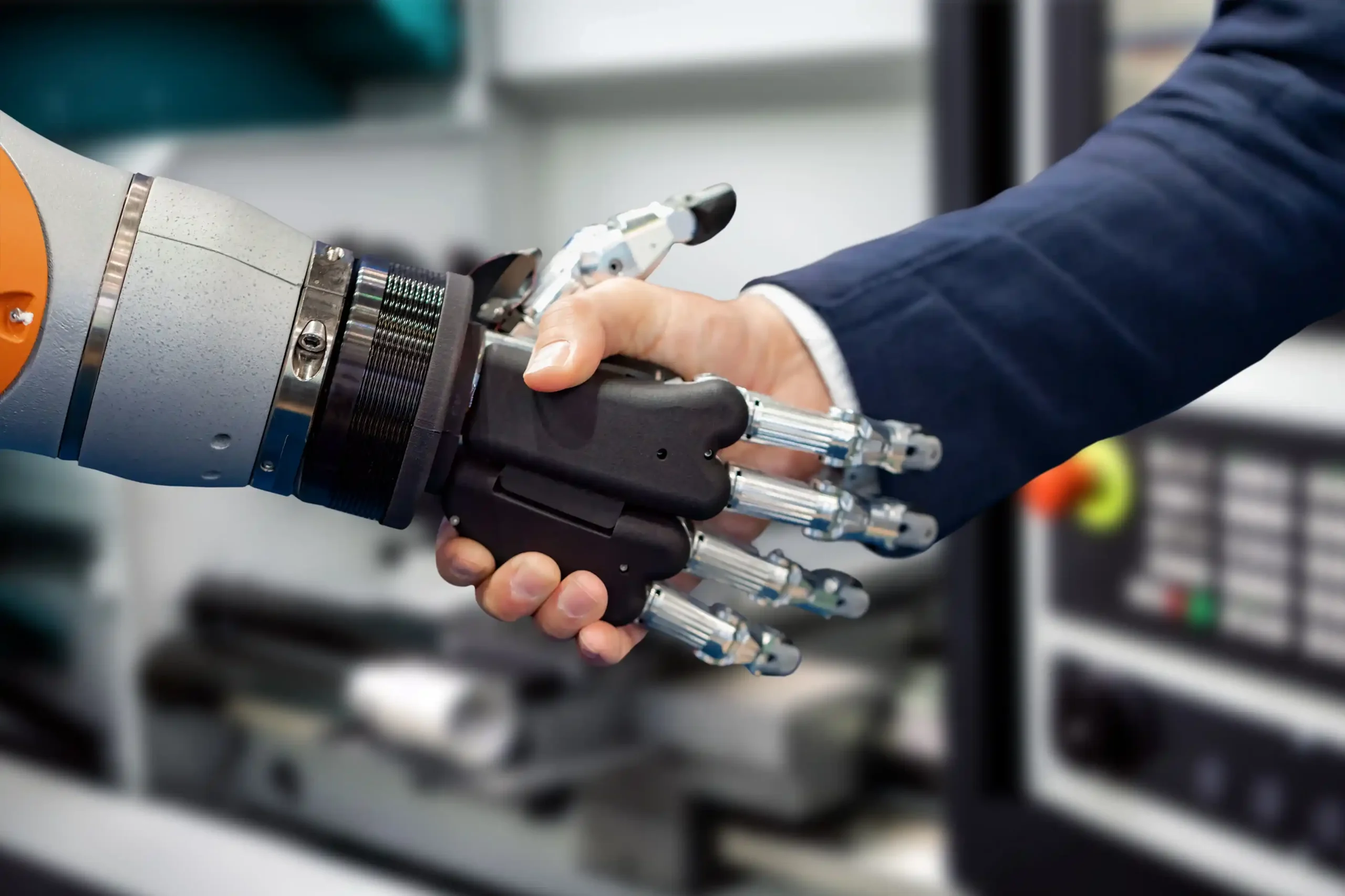
AI is not about replacing humans—it is about augmenting capabilities. Businesses that integrate AI thoughtfully into their operations gain agility, insight, and competitive advantage.
Understanding how AI is revolutionizing industries is essential for staying relevant. Organizations that embrace AI strategically position themselves for long-term success in a rapidly evolving digital landscape.