
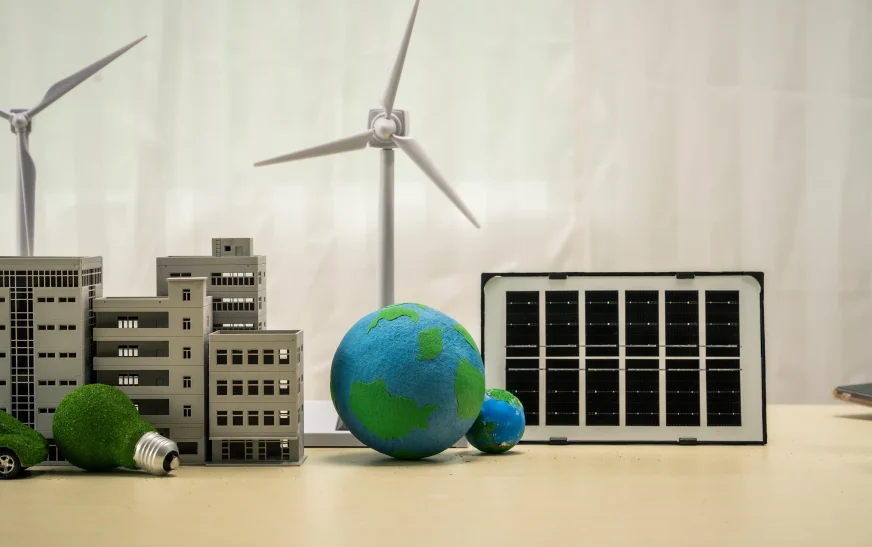
The Future of Renewable Energy: Trends and Innovations for 2025:

The global energy sector is undergoing a rapid transformation, and renewable energy is at the center of this shift. As we move into 2025, advancements in technology, policy support, and growing environmental awareness are accelerating the adoption of clean energy solutions.
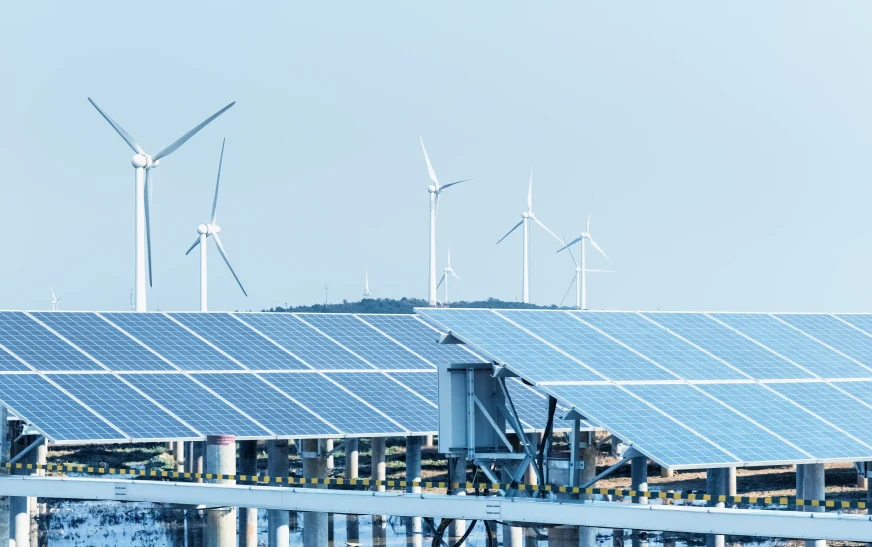
How Renewable Energy Is Transforming the Global Energy Landscape:
Renewable energy is fundamentally reshaping the global energy landscape, changing how power is generated, distributed, and consumed. As the world confronts climate change, energy security concerns, and rising demand, renewable sources such as solar, wind, hydro, and biomass are emerging as critical solutions.
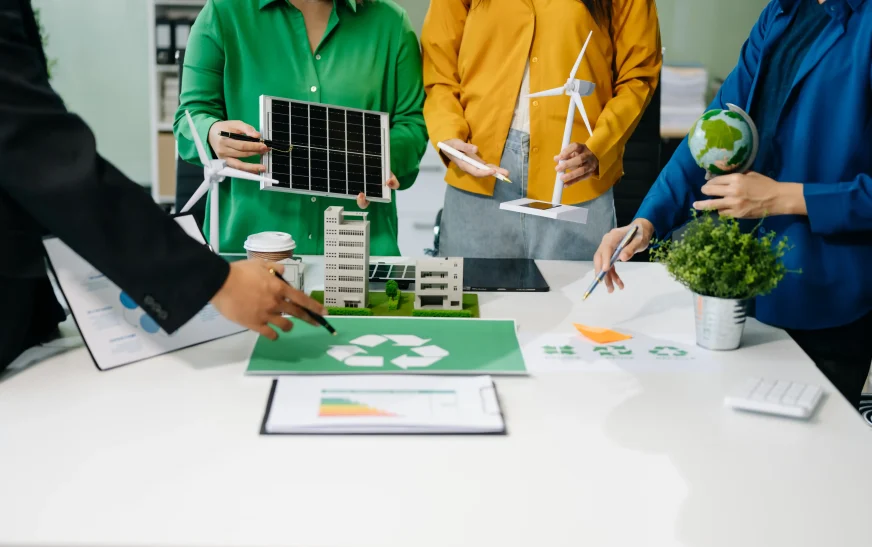
How to Implement Sustainable Practices in Your Daily Life:
Sustainability is no longer just a global or corporate responsibility; it starts with individual actions taken in daily life. Implementing sustainable practices at home and in everyday routines can significantly reduce environmental impact while promoting healthier and more mindful living.

Sustainable Practices in Business: Key Strategies for 2025:
Sustainability has moved from being a corporate buzzword to a strategic imperative for businesses worldwide. As environmental concerns intensify and stakeholders demand greater accountability, companies in 2025 are increasingly integrating sustainable practices into their core operations.

The Rise of Green Tech: Innovations Driving Sustainability:
Green technology, commonly known as green tech, is playing a transformative role in addressing global environmental challenges. As climate change, resource scarcity, and pollution intensify, innovative green technologies are driving sustainability across industries.
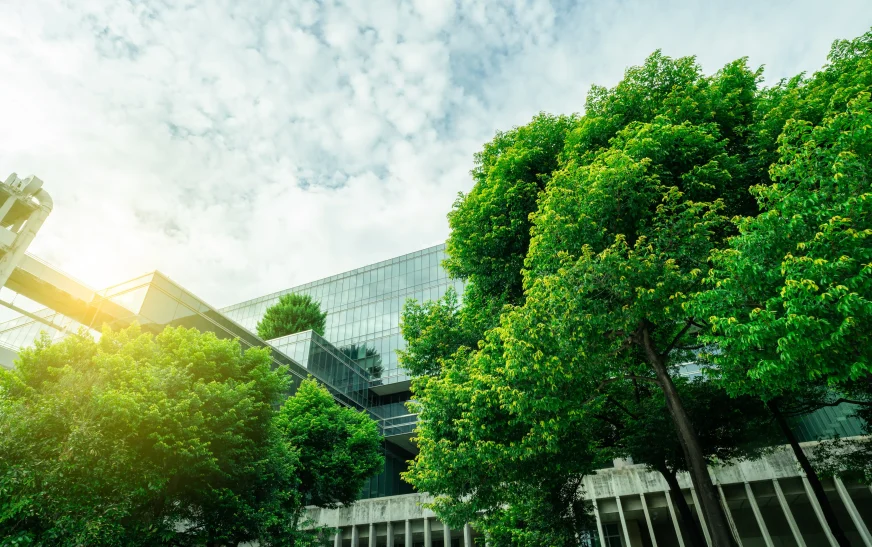
How Green Tech Is Shaping the Future of Environmental Impact:
Green technology is reshaping how societies address environmental impact, offering innovative solutions that reduce harm while supporting economic growth. By integrating advanced technologies with sustainability goals, green tech is enabling a shift toward more responsible resource use and environmental stewardship.
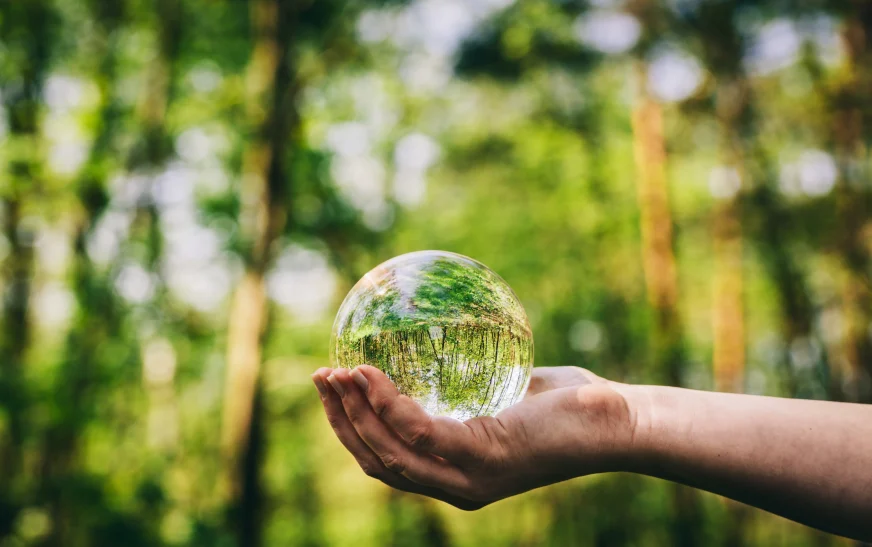
Understanding the Circular Economy: A Path to Sustainable Growth:
The traditional economic model of take, make, and dispose has dominated global markets for decades. While this linear approach fueled industrial growth, it has also led to excessive waste, resource depletion, and environmental degradation.
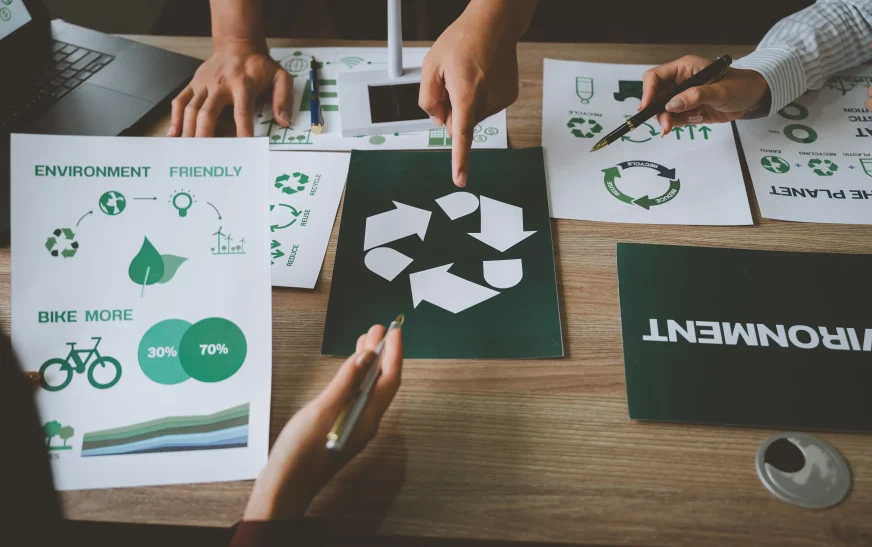
How the Circular Economy Can Help Businesses Reduce Waste and Maximize Value:
For businesses facing rising costs, regulatory pressure, and growing consumer demand for sustainability, the circular economy offers a compelling solution. By moving away from linear production models, companies can reduce waste, improve efficiency, and unlock new sources of value.

Top Eco-Friendly Products You Should Be Using in 2025:
As environmental awareness continues to grow, eco-friendly products are becoming an integral part of everyday life. In 2025, consumers have more sustainable options than ever before, making it easier to reduce environmental impact without sacrificing quality or convenience.

How to Choose Eco-Friendly Products That Make a Difference:
As environmental concerns continue to grow, consumers are becoming more conscious of the products they buy and the impact those choices have on the planet. Eco-friendly products are no longer a niche market; they are becoming a standard expectation.
About Me
Hello ! I am Richard Y. Lim
Upon migration to Medina, the direction of the Qibla continued to be Jerusalem, although it was then physically impossible for one to also face the Ka’ba, as Medina is north of Makkah.