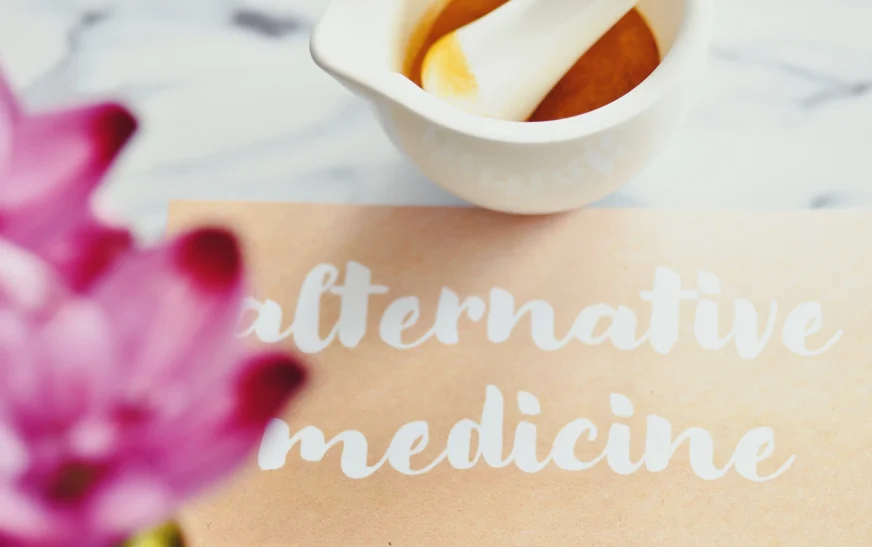
Exploring Alternative Therapies: How They Can Complement Your Health Routine:

In recent years, alternative therapies have gained widespread attention as people seek more holistic and personalized approaches to health. From stress reduction to pain management, alternative therapies offer tools that address not just symptoms, but overall well-being.
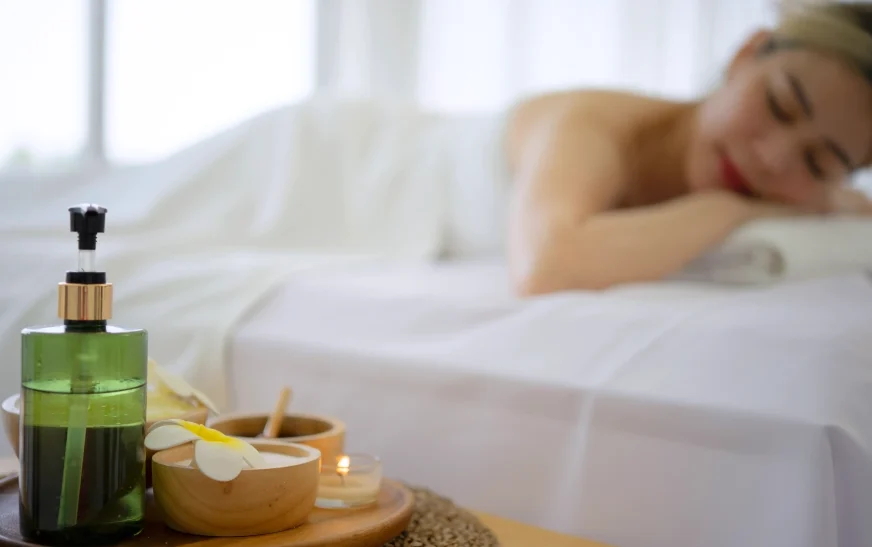
The Benefits of Alternative Therapies: From Acupuncture to Aromatherapy:
Alternative therapies have moved from the margins of healthcare into mainstream wellness conversations. Practices such as acupuncture, massage, meditation, and aromatherapy are increasingly used to support physical, mental, and emotional health.

Why Corporate Wellness Programs Are Crucial for Employee Productivity and Happiness:
The modern workplace is more demanding than ever. Long hours, constant connectivity, and rising performance expectations have made employee well-being a critical business issue. Corporate wellness programs are no longer “nice to have”—they are essential for sustaining productivity, engagement, and happiness.

How to Implement a Successful Corporate Wellness Program in Your Workplace:
Implementing a corporate wellness program requires more than offering gym memberships or occasional workshops. A successful program is strategic, inclusive, and aligned with employee needs and organizational goals.
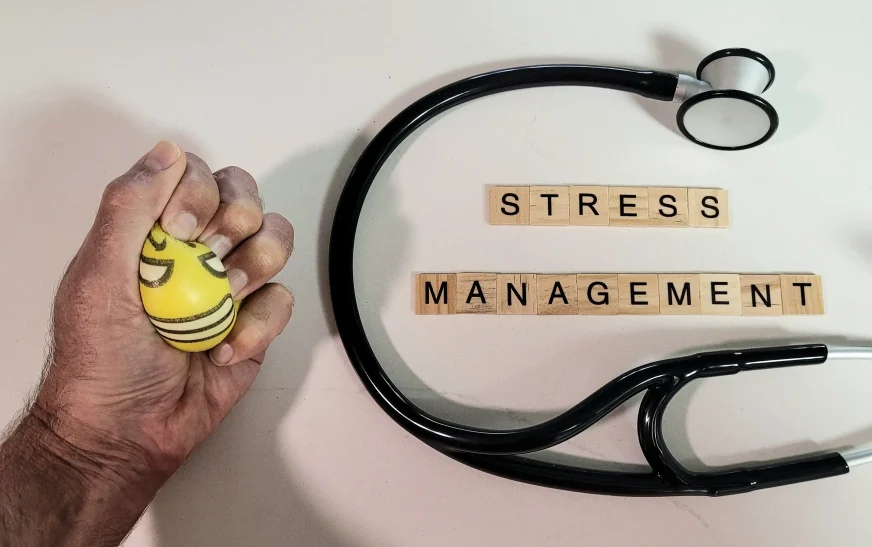
How to Build a Stress Management Plan for Better Mental and Physical Health:
Stress is an unavoidable part of modern life, but unmanaged stress can quietly undermine both mental and physical health. A structured stress management plan helps individuals move from reactive coping to proactive resilience. Rather than eliminating stress entirely, the goal is to manage it effectively so it does not control
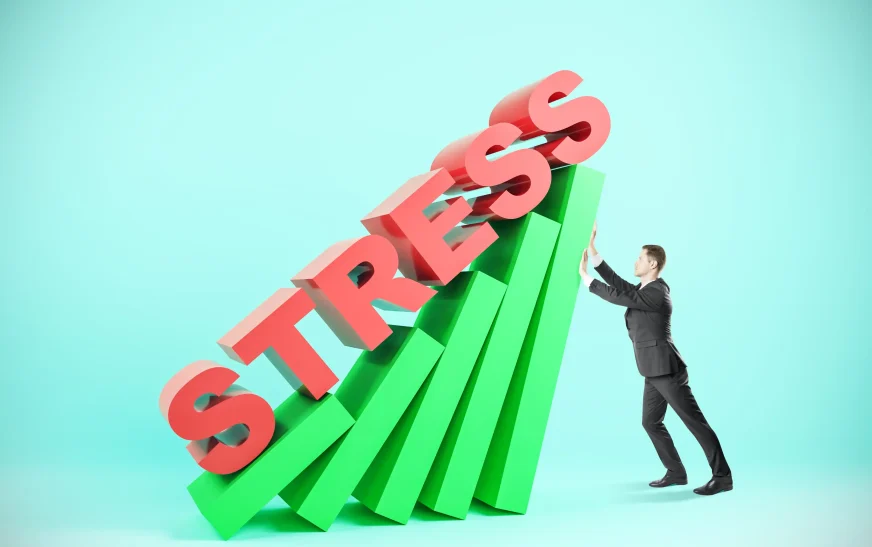
Top Strategies for Managing Stress in a Fast-Paced World:
Stress has become a defining challenge of modern life. Constant connectivity, high expectations, and rapid change have increased stress levels across all age groups. While stress is a natural response, chronic stress can negatively impact physical health, mental well-being, and overall quality of life.
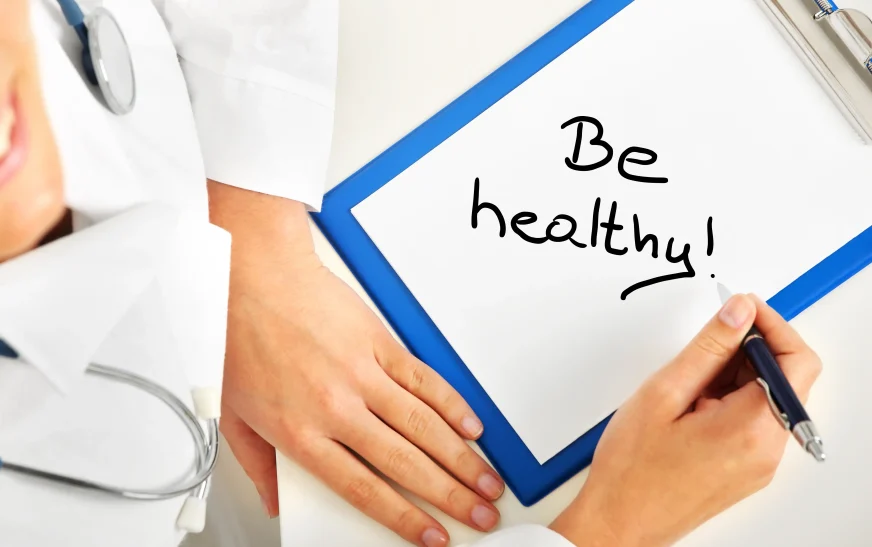
How to Incorporate Preventive Health Practices into Your Daily Routine:
Preventive health does not require drastic changes or complicated routines. In fact, the most effective preventive practices are simple habits integrated seamlessly into daily life. When health-conscious behaviors become routine, they reduce risk and support long-term well-being effortlessly.

The Importance of Preventive Health: Simple Steps to Protect Your Future:
Preventive health is one of the most powerful yet often overlooked approaches to long-term well-being. Rather than waiting for illness to appear, preventive health focuses on proactive actions that reduce risk, detect issues early, and support overall quality of life. In a fast-changing world where healthcare costs and chronic conditions
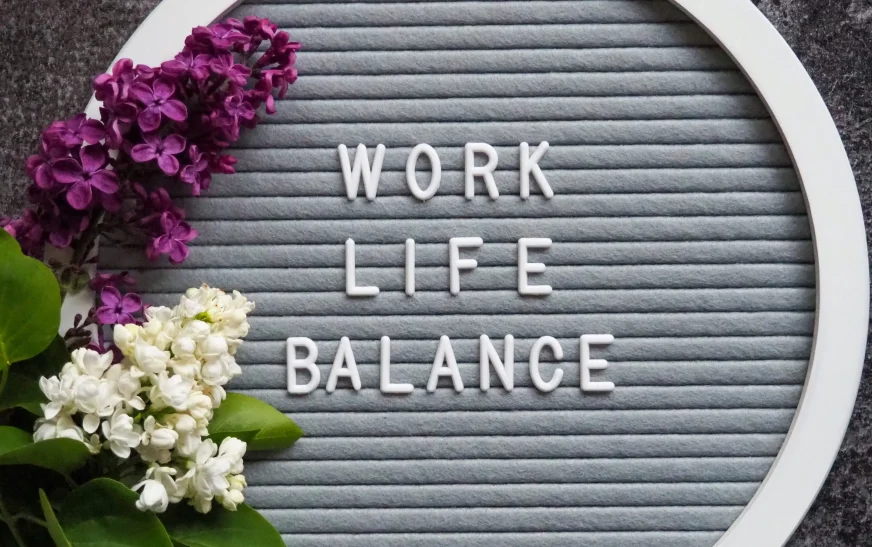
How to Create a Work-Life Balance That Enhances Your Productivity and Well-Being:
Many professionals believe work-life balance and productivity are opposing forces. In reality, they are deeply connected. When balance is achieved thoughtfully, productivity improves and well-being strengthens. Creating a sustainable balance means designing a lifestyle where work supports life—not replaces it.
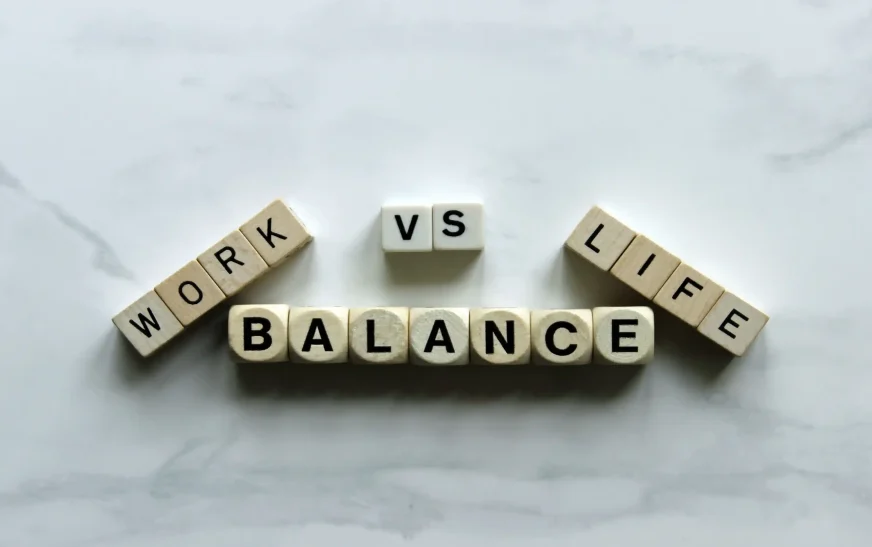
Achieving Work-Life Balance in 2025: Tips for Managing Your Time Effectively:
Work-life balance has become one of the most important challenges of modern life. With remote work, digital connectivity, and rising expectations, many professionals feel constantly “on.” In 2025, achieving balance is not about working less—it’s about managing time intentionally and creating boundaries that support both productivity and personal well-being.
About Me
Hello ! I am Richard Y. Lim
Upon migration to Medina, the direction of the Qibla continued to be Jerusalem, although it was then physically impossible for one to also face the Ka’ba, as Medina is north of Makkah.