
As AI technology continues to evolve, 2025 is shaping up to be a pivotal year. Advances in machine learning, automation, and generative AI are accelerating adoption across industries. Understanding upcoming trends helps businesses prepare for opportunities and challenges ahead.
Generative AI Goes Mainstream:
Generative AI—capable of creating text, images, code, and videos—has moved beyond experimentation. In 2025, businesses are integrating generative AI into content creation, software development, and customer engagement.
This technology boosts productivity, reduces costs, and enables rapid innovation. However, organizations must balance creativity with accuracy and oversight.
AI-Powered Decision Intelligence:
AI is evolving from descriptive analytics to decision intelligence. Advanced models not only analyze data but also recommend actions based on predicted outcomes.
This trend empowers leaders to make faster, more confident decisions across finance, operations, and strategy.
Hyper-Personalization Across Industries:
AI-driven personalization is becoming more sophisticated. In 2025, personalization extends beyond marketing to product design, pricing, and customer support.
Businesses use AI to anticipate needs, customize experiences, and build deeper customer relationships.
Edge AI and Real-Time Processing:
Edge AI processes data locally on devices rather than relying solely on cloud computing. This enables real-time decision-making, reduces latency, and enhances security.
Industries such as manufacturing, healthcare, and autonomous systems benefit significantly from edge AI capabilities.
Responsible and Explainable AI:
As AI adoption grows, so does the demand for transparency and accountability. Explainable AI models help organizations understand how decisions are made, reducing bias and building trust.
Regulatory frameworks in 2025 emphasize ethical AI use, data protection, and governance.
AI and Workforce Collaboration:
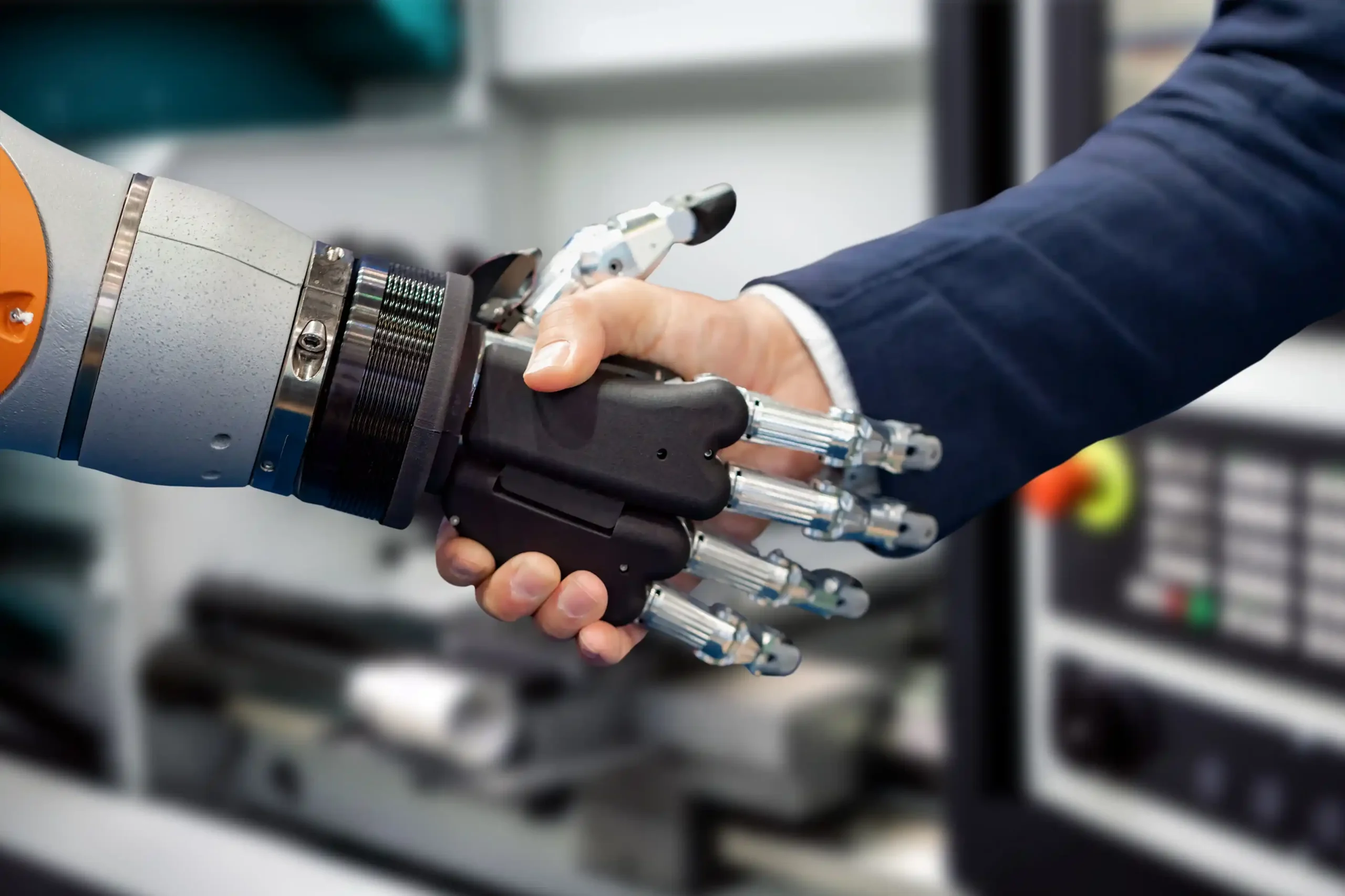
Rather than replacing jobs, AI increasingly augments human roles. AI assists professionals by automating repetitive tasks and providing insights that enhance creativity and strategic thinking.
Upskilling and reskilling become priorities as organizations adapt to AI-enabled workflows.
AI as a Competitive Differentiator:
In 2025, AI maturity differentiates industry leaders from followers. Companies that invest in scalable AI infrastructure and talent gain long-term advantages.
The future of AI is defined by collaboration, responsibility, and innovation. Organizations that stay informed and adaptable will thrive in the AI-driven economy.