

Why Corporate Social Responsibility Is Essential for Modern Businesses:

Corporate Social Responsibility, commonly known as CSR, has evolved from a voluntary initiative into a fundamental aspect of modern business strategy. In today’s interconnected and transparent world, companies are increasingly judged not only by their financial performance but also by their social and environmental impact.

How to Build a Strong CSR Strategy for Long-Term Success:
Building a strong Corporate Social Responsibility strategy requires more than isolated initiatives or charitable donations. For CSR to deliver long-term value, it must be integrated into the core business strategy and aligned with organizational goals.

The Importance of Effective Waste Management in Sustainable Business Practices:
Effective waste management has become a critical component of sustainable business practices in today’s environmentally conscious world. As global waste generation continues to rise, businesses are under increasing pressure from regulators, customers, and stakeholders to manage waste responsibly.
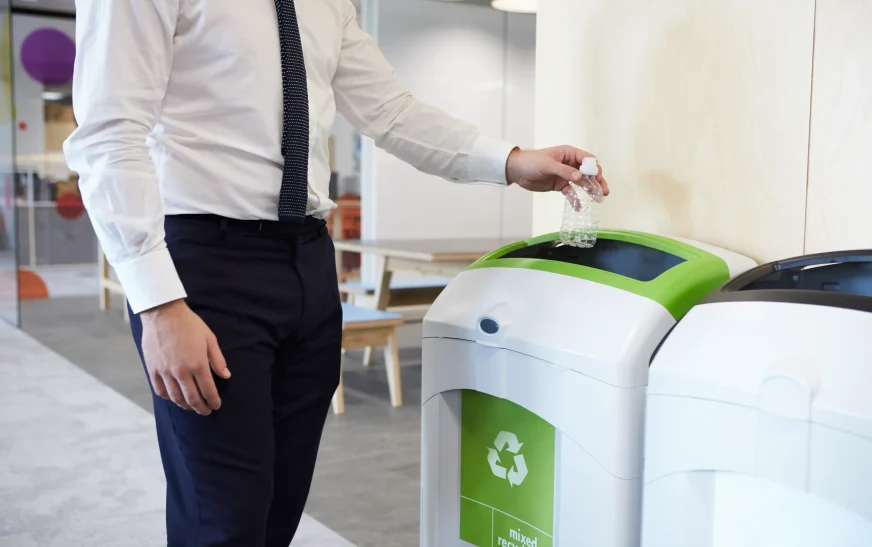
How to Implement Efficient Waste Management Systems in Your Company:
Implementing an efficient waste management system requires a structured approach that aligns environmental responsibility with operational efficiency. For companies seeking to reduce waste, control costs, and meet sustainability goals, a well-designed waste management system is essential.

How to Reduce Your Carbon Footprint: Simple Steps for Individuals and Businesses:
Reducing carbon footprint has become a shared responsibility for individuals and businesses as climate change concerns intensify. A carbon footprint represents the total greenhouse gas emissions generated by activities such as energy use, transportation, and consumption.
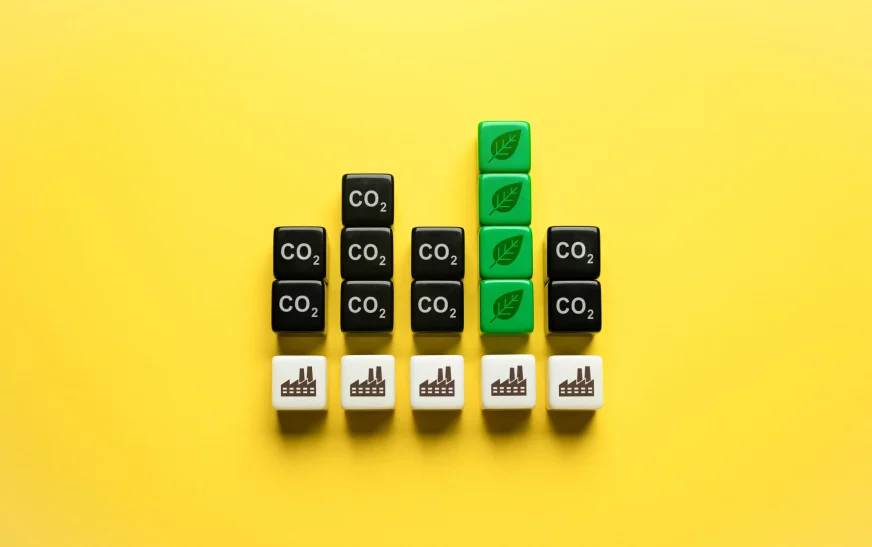
The Business Case for Carbon Footprint Reduction: Why It Matters in 2025:
In 2025, reducing carbon footprint is no longer just an environmental responsibility; it has become a critical business strategy. As climate risks intensify and global sustainability expectations rise, companies across industries are under increasing pressure to measure, manage, and reduce their greenhouse gas emissions.

How to Build a Sustainable Business Model That Lasts:
Building a sustainable business model is essential for companies seeking long-term success in a rapidly changing economic and environmental landscape. A sustainable business model balances profitability with social responsibility and environmental stewardship, ensuring resilience and adaptability over time.

Sustainable Business Models: How Companies Can Thrive While Protecting the Planet:
Sustainable business models demonstrate that economic success and environmental protection are not mutually exclusive. In fact, companies that integrate sustainability into their business models often achieve greater resilience, innovation, and long-term growth.

The Importance of Green Certifications in Building a Sustainable Brand:
In an era where sustainability influences purchasing decisions and brand loyalty, green certifications have become powerful tools for businesses seeking to demonstrate environmental responsibility. These certifications provide third-party verification that a company’s products, services, or operations meet recognized environmental standards.

How to Obtain Green Certifications for Your Business and Why It Matters:
Obtaining green certifications is a strategic step for businesses committed to sustainability and environmental accountability. While the certification process may seem complex, it delivers long-term benefits that extend beyond environmental impact.
About Me
Hello ! I am Richard Y. Lim
Upon migration to Medina, the direction of the Qibla continued to be Jerusalem, although it was then physically impossible for one to also face the Ka’ba, as Medina is north of Makkah.